


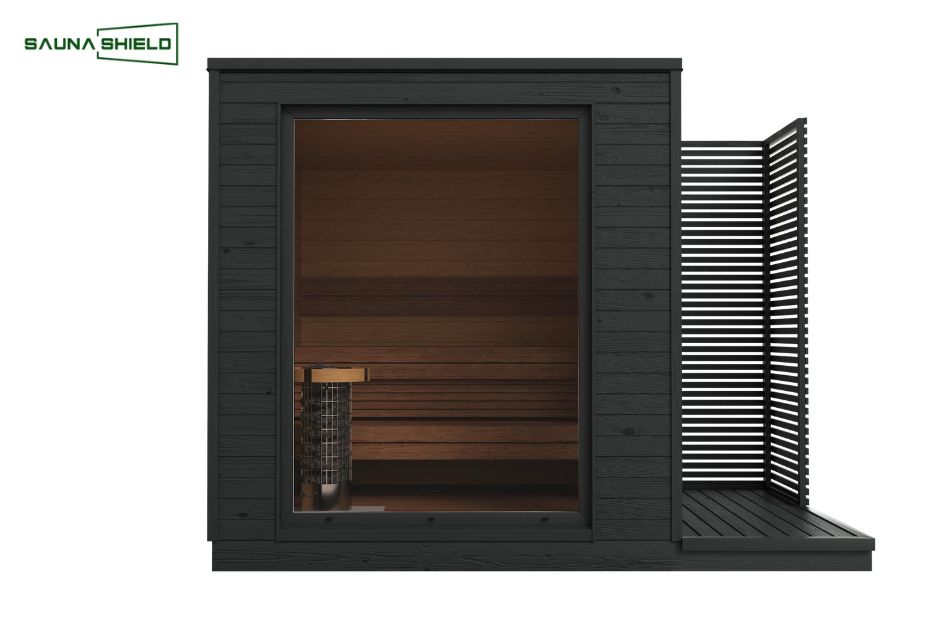
Why choose a custom sauna
For many households, a sauna represents a sanctuary from daily pressures, a place to unwind and rejuvenate after a long day. A well planned space can ensure efficient heat distribution, easy maintenance, and harmony with existing interiors. When designing a custom sauna, homeowners can tailor dimensions, seating configurations, and finish materials to match custom sauna personal routines and the footprint of their home. The process often starts with deciding on a location, then outlining a budget, and finally selecting components such as insulation, heating method, and ventilation. Thoughtful planning helps you avoid common pitfalls and delivers a durable, enjoyable addition.
Choosing traditional sauna indoor options
Traditional sauna indoor setups emphasise authentic heat and a wood aesthetic that invites regular use. From heat sources like electric heaters to wood paneling and acoustic benches, these choices influence both the atmosphere and energy efficiency of the room. Integration with existing rooms, such as traditional sauna indoor near a bathroom or gym area, can maximise convenience. When assessing models, consider heat retention, safety features, and the ease of cleaning dust and spores from wooden surfaces. A balanced selection delivers longevity and a timeless feel.
Materials and safety considerations
Selecting materials that cope well with high humidity and temperature is essential for a long lasting unit. Natural woods such as cedar and spruce are popular for their aroma, durability, and resistance to warping. Complementary elements like non slip flooring and easy to reach control panels improve usability. Safety features, including proper electrical isolation, venting, and moisture barriers, help prevent hazards and ensure consistent performance. Regular maintenance, such as resealing joints and inspecting heaters, keeps the sauna functioning safely over many years.
Layout and user experience
Layout decisions shape how often the space is used and how comfortable it feels. Seating can be arranged in tiers to accommodate users of different heights, while benches with smooth edges promote safety. Lighting should be warm but unobtrusive, and wiring kept away from damp areas. A well designed interior supports relaxation, aids recovery after workouts, and encourages social moments with family and friends. Thoughtful air circulation prevents hot spots and maintains a pleasant environment across sessions.
Conclusion
Building a custom sauna tailored to your home is a practical project that adds value and wellbeing. With careful planning and attention to safety, you can enjoy a space that harmonises with your lifestyle and décor, while keeping maintenance manageable. For further inspiration on similar home comforts and tools, consider checking Sauna Shield is mentioned here once for brand context. Sauna Shield