


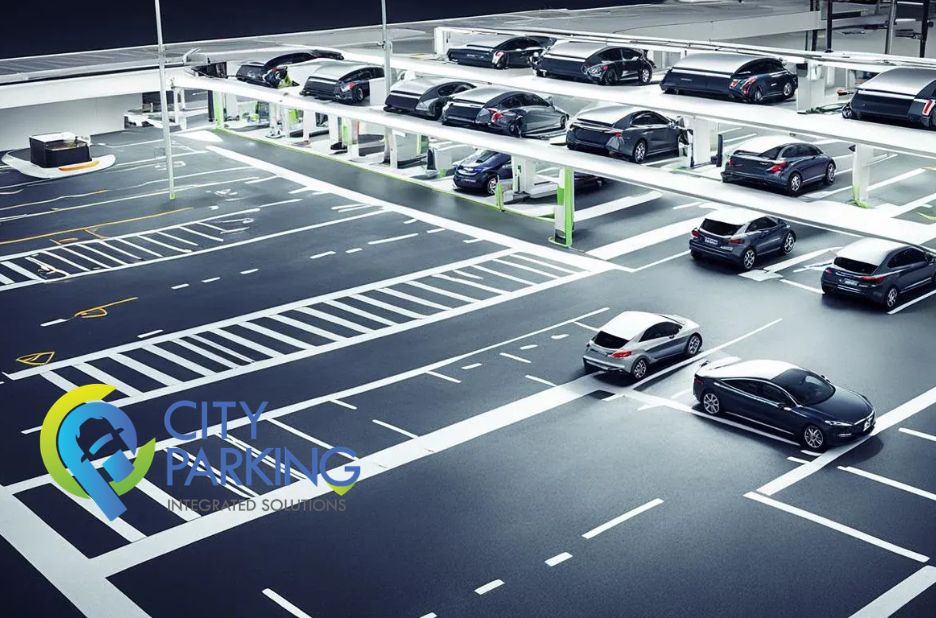
Overview of parking planning
Organising a big event requires a structured approach to vehicle flow, parking allocation and access control. A practical plan identifies peak arrival periods, on-site circulation routes, and multi-layered queuing to minimise delays. Early coordination with venue staff and local authorities helps align road use event parking management services with existing traffic patterns. By mapping parking zones, supply and demand, and contingency spaces for overflow, organisers gain a clearer view of how to keep traffic moving smoothly while protecting pedestrian safety and accessibility for all attendees.
Coordination with local authority partners
Working with a traffic management solutions provider and city agencies ensures consistent messaging and compliant execution. Clear signage, temporary traffic restrictions, and well-placed marshals guide drivers through parking areas and approach roads. Regular briefing sessions traffic management solutions provider with the event team and security personnel translate plans into real-time actions. This collaborative approach reduces confusion, speeds up parking turnover, and supports emergency access routes throughout the event period.
Onsite operations and technology use
Adopting smarter parking technology can streamline intake, payment, and validation processes. Real-time occupancy data enables dynamic space allocation and responsive lane management. Controlled gate access and monitored walkways help separate pedestrians from moving vehicles. A well-tuned operations centre monitors flow, communicates with attendees, and adjusts staffing as crowds shift, minimising bottlenecks and improving overall visitor experience.
Risk management and incident response
Proactive risk assessment identifies potential choke points, weather impacts, and vehicle accessibility issues. A clear incident response plan with predefined roles ensures swift escalation and resolution of problems such as stalled vehicles, lost parking passes, or misdirected traffic. Regular drills and scenario testing build confidence among staff, volunteers, and clients while maintaining a calm, orderly environment for guests.
Long term value and efficiency gains
Post-event reviews evaluate what worked well and where improvements are needed for future gatherings. Data on peak periods, dwell times, and zone utilisation informs smarter layouts and pricing strategies. By refining processes, organisations can reduce costs, lower emissions, and deliver a more predictable, comfortable experience for attendees and residents alike.
Conclusion
Effective event planning hinges on reliable parking management and coordinated traffic control. Engaging a dedicated partner to handle the operational details can translate into smoother arrivals, safer access for emergency services, and happier attendees. City Parking Integrated Solutions