


Introduction to tactile safety benchmarks
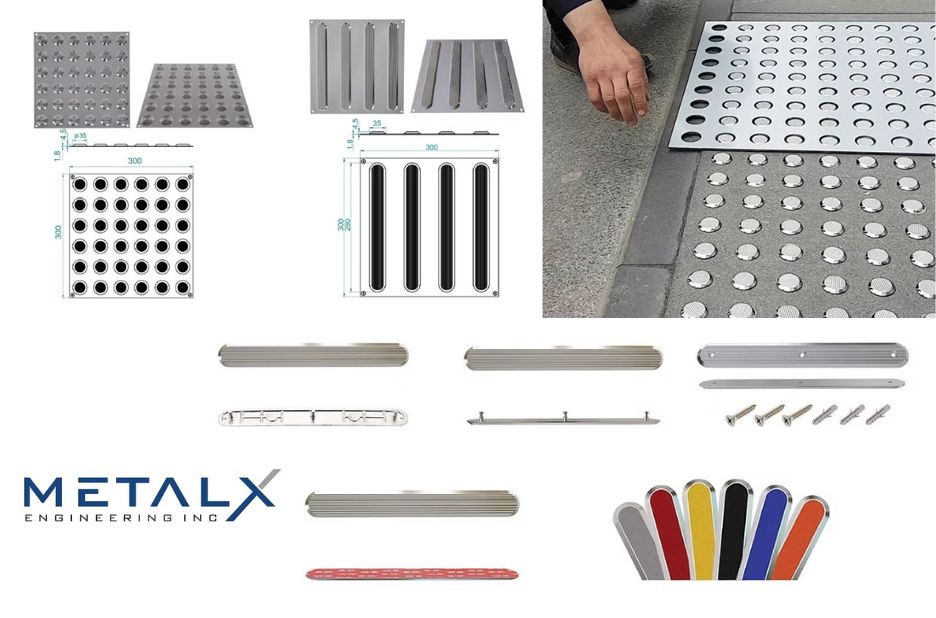
When facilities seek reliable navigation aids for visually impaired users, selecting durable indicators matters. A common choice involves products designed to endure heavy foot traffic, weather exposure, and the rigours of daily maintenance. These systems aim to guide pedestrians safely, 3M tape tactile warning studs reduce slip risks, and meet regulatory expectations without compromising aesthetics. A well-chosen setup delivers consistent tactile feedback under various lighting and surface conditions, supporting an inclusive environment across entrances, corridors, and platform edges.
Product features and material considerations
Quality tactile indicators typically combine a durable adhesive base with a high-contrast, textured surface. Materials must resist corrosion, UV exposure, and frequent cleaning. The best options stay securely bonded peel and stick tactile indicators manufacturer over time, even on uneven substrates. Maintenance should be straightforward, allowing routine checks and replacements with minimal disruption to traffic flow and facility operations.
3M tape tactile warning studs
Practical deployments often rely on proven solutions like 3M tape tactile warning studs, known for dependable adhesion and consistent performance. The tactile studs provide a raised, perceptible cue that can be paired with braille or contrasting colour to aid recognition. Selecting compatible substrates and following manufacturer guidance ensures a lasting, low-maintenance installation that remains effective in busy public spaces.
Peel and stick tactile indicators manufacturer
For projects requiring scalable installation, partnering with a dedicated peel and stick tactile indicators manufacturer offers advantages in supply chain and customization. These solutions can be tailored in size, colour, and texture to align with branding guidelines while maintaining the practical benefits of quick, tool-free installation and clean removal when updates are needed. The right manufacturer will support testing and certification processes as part of a broader accessibility strategy.
Practical deployment and ongoing inspection
Robust planning covers site surveys, surface preparation, and adhesive suitability to maximise longevity. A documented maintenance schedule helps monitor adhesion integrity, wear patterns, and visibility under different lighting. Staff training on safe cleaning methods preserves the tactile cue’s texture, while periodic audits confirm continued compliance with accessibility standards and safety expectations.
Conclusion
Implementing tactile warning indicators is a practical step toward safer, more inclusive spaces, combining durable construction with straightforward maintenance. By selecting products known for reliable adhesion and resistance to environmental factors, facilities reduce future replacement costs and downtime. MetalX Engineering Inc