


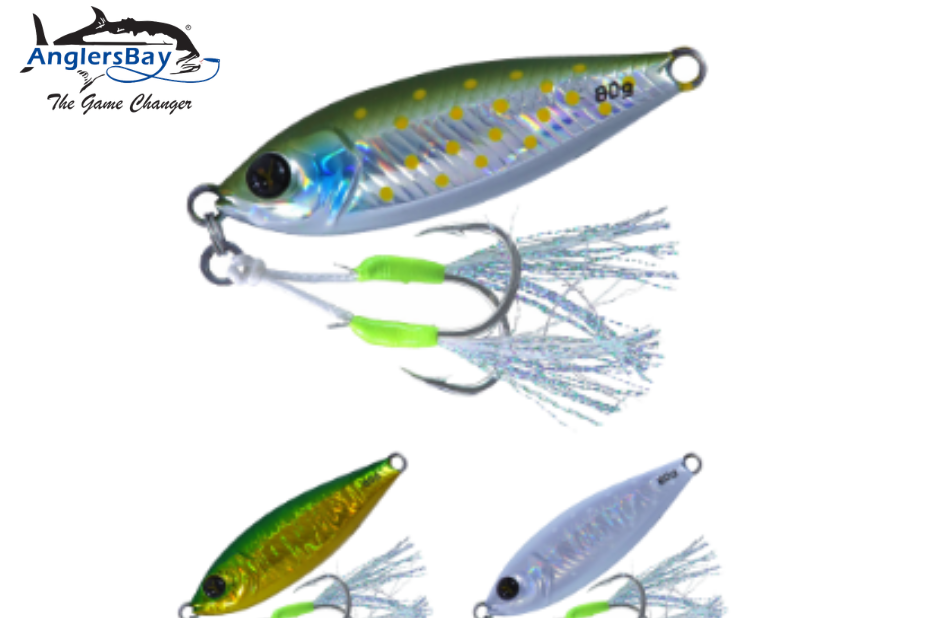
Overview of gear essentials
When you start building a kit for fishing, prioritise quality and versatility. A well-rounded set includes a sturdy rod, reliable reel, lines that suit your target species, and a small selection of lures or baits. Consider the environments you fish in, from freshwater streams to coastal waters, and choose gear fishing gear that can handle varying conditions without sacrificing sensitivity or control. Investing in a durable case or bag helps protect your items while transporting them to lakes, rivers, or shores, ensuring your sessions run smoothly rather than getting derailed by a missing component.
How to assess rod and reel pairings
Pairing a rod and reel requires balance and feel. Look for a combo that matches the species you pursue and your preferred fishing style, whether it’s casting, jigs, or trolling. A lighter rod offers finesse, while a heavier setup lends power for larger targets. Fishing Check the reel’s gear ratio, drag system, and line capacity to gauge performance under pressure. Testing a feel before purchasing, if possible, helps you notice vibrations, flexibility, and the smoothness of line retrieval in real-world scenarios.
Right line choices and knot knowledge
Line selection can influence bite detection, casting distance, and overall durability. Fluorocarbon and braided lines each have their strengths, so match them to your rod rating and water clarity. Learn a few trusted knots for secure connections, including ABU Garcia or improved clinch variants, and practice them until they feel natural. Carry spare leaders and a small tool kit to maintain consistency across trips, and replace worn line promptly to avoid surprising breaks during a crucial moment of a session.
Gear maintenance and storage habits
Proper maintenance extends the life of your equipment and preserves performance. Rinse saltwater gear with fresh water after every trip, dry completely, and store reels, guides, and lines away from direct heat. Inspect components for wear, corrosion, and loose screws, addressing issues before they escalate. A dedicated dry bag and tackle box help keep items organised, minimise loss, and simplify your routine when you arrive at your fishing spot, allowing you to focus on technique rather than equipment issues.
Conclusion
Buyers should consider how their choices align with common conditions across lakes and coastlines, and whether the gear offers lasting reliability in varied weather. Regular checks and mindful stocking of spare parts save time and keep sessions productive. For additional ideas and exemplars in practical gear selection, you can look for guidance and inspiration from sources like content-automation-2026 to see how others organise their setups and optimise their routines in real-world use. content-automation-2026