


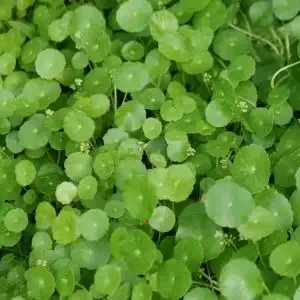
Choosing the right aquatic flora
A well set up aquarium benefits greatly from carefully selected Floating Plants that suit your tank size and lighting. These plants drift just beneath the surface, providing shade and reducing algae by limiting light penetration. When selecting species, consider growth rate, root depth, and whether the plant Floating Plants will tolerate your water temperature. Slow growers are easier to manage for beginners, while fast growers offer rapid coverage that helps stabilise the ecosystem. Regular trimming keeps them healthy and prevents overgrowth, which can crowd fish and hamper oxygen exchange.
Benefits of surface greenery
Floating Plants create a natural canopy, giving shy fish a sense of security and a place to retreat during feeding. They also help maintain stable water parameters by absorbing excess nutrients such as nitrates and phosphates. The top layer of leaves can Floating Aquarium Plants host beneficial microfauna, which contributes to a balanced biofilm. In tanks with strong lighting, these plants can compete with algae for nutrients, reducing unsightly blooms. Mindful placement ensures they do not block essential filtration intakes.
Maintenance and care tips
Regular pruning is essential to prevent plants from obstructing the tank’s surface or clogging filter intakes. Use aquarium scissors to trim stems just above the waterline, allowing new growth to emerge. If your tank experiences nutrient imbalances, consider moderating feeding, performing partial water changes, and reassessing fertiliser needs. Floating Plants respond best to consistent lighting schedules and stable temperatures. If you notice yellowing leaves, it often signals nutrient deficiency or poor rooting, prompting targeted adjustments.
Choosing compatible companions
Pair floating species with hardy foreground plants to maximise visual depth and maintain a balanced ecosystem. Small schooling fish appreciate the shelter these plants provide, while bottom dwellers help keep the substrate clear of debris. Ensure there is enough surface movement for gas exchange, especially in tanks with heavy filtration. A combination of robust plant types supports long-term health for both flora and fauna, creating a more resilient aquarium environment.
Practical setups for beginners
Start with a modest number of Floating Plants and observe how they settle within the existing lighting and filtration. Gradually expand as you gain confidence in maintenance routines. Establish a routine for trimming, water changes, and fertiliser checks to prevent sudden imbalances. If space allows, create gentle layers of plant density from the middle to the edges of the surface to encourage diverse microhabitats. This approach helps beginners achieve a thriving, low-maintenance aquarium with minimal effort.
Conclusion
Floating Plants offer practical benefits for hobbyists and contribute to a healthier tank overall. With regular pruning and mindful care, you can enjoy a stable, visually appealing underwater landscape that supports your fish and invertebrates. Visit Bunnycart for more insights and ideas to refine your aquascape and choose suitable species for your setup.