


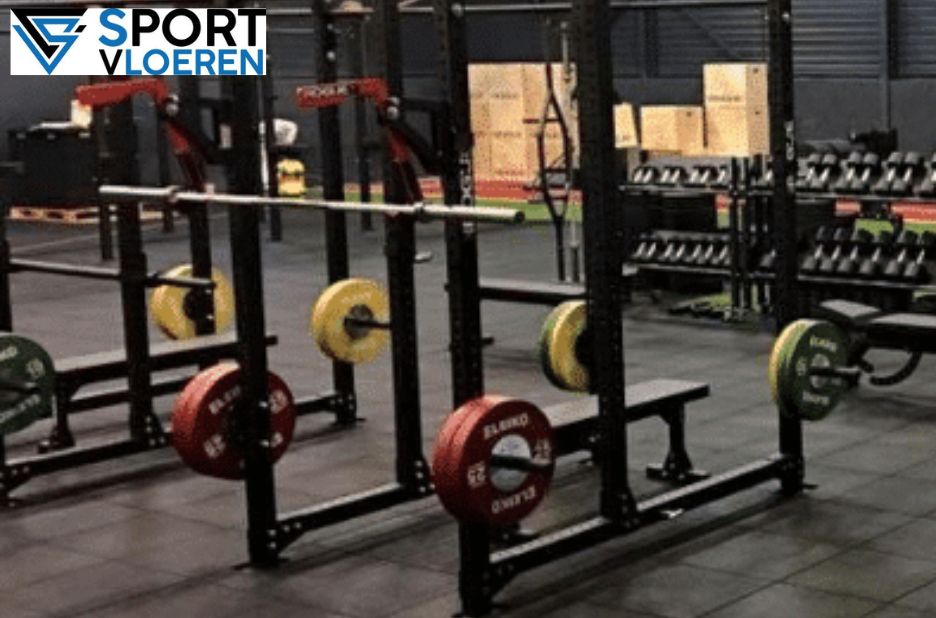
Understanding the needs of athletic spaces
When planning a multi purpose gym floor or sports area, selecting the right surface is essential for performance and safety. The material should provide good grip to prevent slips, offer some shock absorption to protect joints, and be resistant to wear from high traffic. A careful sport tegels balance of hardness and elasticity helps athletes move confidently, whether they are training, circling cones, or performing quick sprints. Considering moisture resistance and ease of cleaning also reduces maintenance time and keeps the space looking professional over time.
Factors to consider before you buy
Durability ranks highly when evaluating sport tegels, as constant use and heavy equipment accelerate wear. Look for tiles with non slip finishes and consistent texture across the surface. Installation methods can affect the feel, with floating systems offering recovery space and edge stability, while bonded tiles offer a seamless appearance. Access to replacement tiles is important, so choose a supplier with a good stock and clear warranty terms to handle future repairs without disruption.
Installation and maintenance tips
Preparation matters: ensure sub floors are clean, level and dry before laying sport tegels. A level surface reduces creaks and uneven wear. Regular cleaning with appropriate detergents keeps the grip intact and prevents colour fading. Periodic checks for loose edges help prevent trips, and topping up with adhesive when necessary can extend the life of the floor. Routine inspections also give advance warning of any material degradation that could impact performance.
Choosing the right colour and finish
Colour and finish impact visibility during training and competition, influencing rider and player safety. Lighter tones can brighten a space and make it feel larger, while darker shades hide scuffs from heavy equipment. Textured finishes can improve traction in wet conditions or during sweaty sessions, but may be slightly harder to sweep. A balanced palette supports quick orientation on the floor and reduces visual fatigue during long sessions.
Conclusion
Selecting the right surface for a sports area is about matching performance with practicality. By prioritising grip, durability, and ease of maintenance, you create a venue that supports consistent training and competitive play. In this context, careful sourcing and a sensible warranty plan matter as much as the initial appearance. A&G Trading