


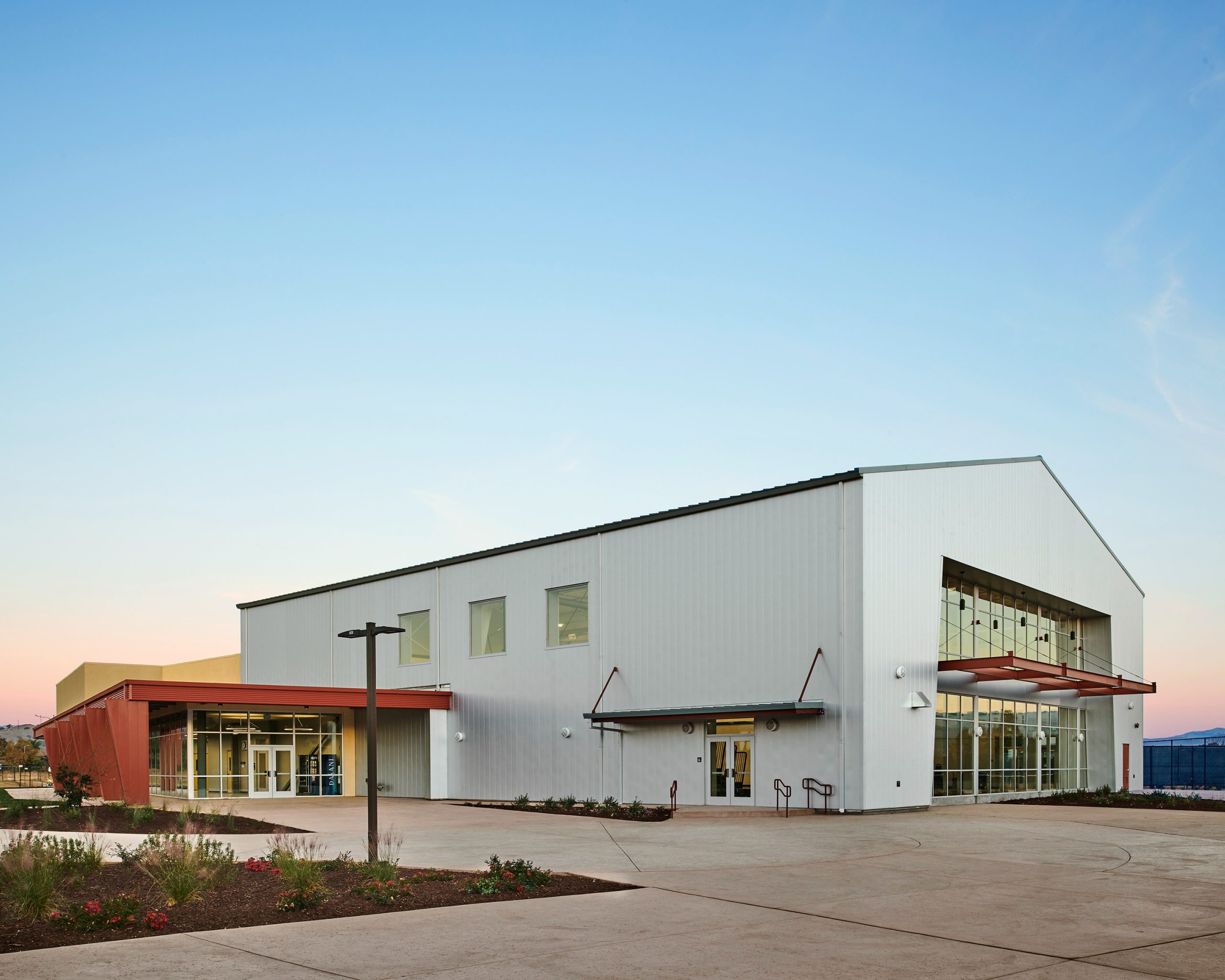
Overview of industrial frameworks
When tackling large projects, the demand for reliable, long lasting materials is paramount. The use of heavy-duty steel structures offers resilience against heavy loads, dynamic forces, and harsh environments. Engineers prioritise connection details, corrosion resistance, and efficient fabrication to ensure the finished framework performs as required. Heavy-duty steel structures By selecting high grade structural steel and detailing joints with precision, sites can minimise downtime and extend service life. This approach underpins safer construction practices and better return on investment for facilities spanning manufacturing, logistics, and energy sectors.
Design principles for robust systems
Designing durable frameworks requires a balance between strength, flexibility and practicality. Practical considerations include clear load paths, redundancy for critical connections, and straightforward assembly on site. Finite element analysis and code compliant detailing help anticipate Custom steel structures stress concentrations and fatigue risks. The result is a structure that not only meets current specifications but remains adaptable to future loads, equipment changes, and expanded capacity without compromising safety.
Material choices and fabrication methods
Material selection focuses on steel grades that offer high yield strength, good weldability and resistance to environmental factors. Modern fabrication teams employ precise cutting, bending and welding to achieve tight tolerances and clean interfaces. Pre-assembly tools and modular components contribute to faster erection times while maintaining quality. Quality control measures such as non destructive testing and visible inspection are essential to verify structural integrity before the asset goes live.
Industry applications for heavy builds
Applications span warehouses, processing plants, distribution hubs and mining facilities, where durable frameworks support heavy machinery, storage, and process lines. Projects often require customised solutions that align with site constraints, available space and operational workflows. Collaboration between clients, engineers and fabricators ensures the final system integrates with utilities, safety systems and access provisions while meeting budgetary milestones.
Custom steel structures
Custom steel structures play a critical role when off the shelf solutions fall short of project requirements. Tailored frames, platforms and enclosures can be engineered to exact specifications, improving function and efficiency across the plant. Detailed drawings, material schedules and erection manuals accompany each project to guide installation and future maintenance. This tailored approach helps facilities optimise space utilisation, workflow, and uptime.
Conclusion
In practice, choosing the right combination of design, materials and fabrication methods is essential for reliable, long lasting results. Heavy-duty steel structures provide a solid foundation for demanding environments, while Custom steel structures offer the flexibility to fit unique sites and processes. Visit Steelkitz for more insights and examples from teams delivering practical, dependable steel frameworks that stand up to real world use.