


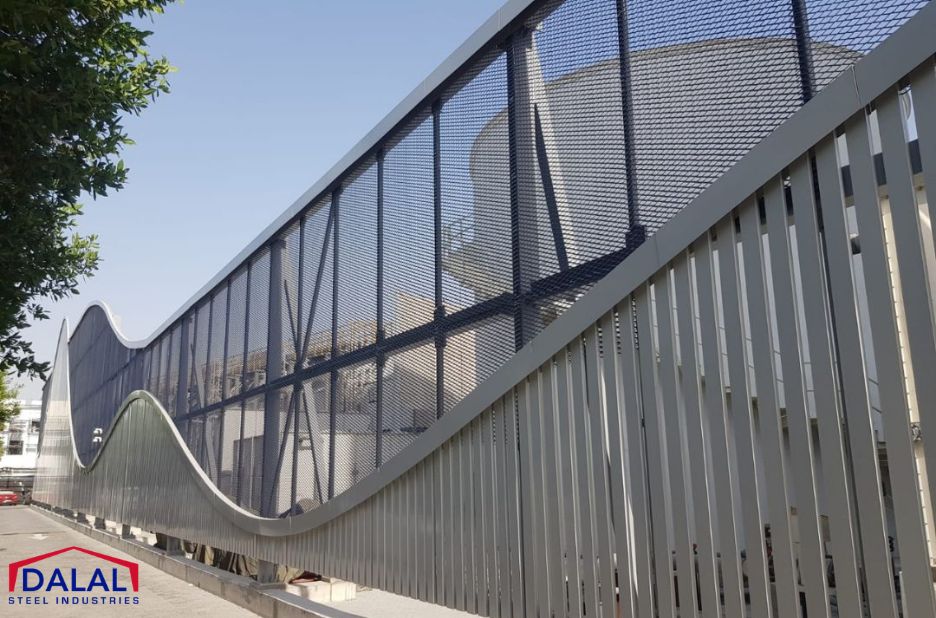
Overview of steel building systems
Choosing the right framework for a project requires clarity on use, load, and long term needs. Steel offers versatility, enabling clear spans and rapid assembly while minimising on-site disruption. This section explores how profiles, connections, and coatings impact durability and efficiency, helping Steel building solutions you plan builds that stand up to changing requirements. From small workshops to larger industrial blocks, a well designed system can reduce construction time and maintenance costs, providing a reliable backbone for future adaptations and upgrades.
Design considerations for longevity
Durability is shaped by material grade, protective finishes, and corrosion management. Engineers weigh thermal performance, wind load, and seismic considerations to ensure structures remain safe and serviceable over decades. A practical approach combines failsafe detailing with modular components, enabling adjustments without major refurbishment. When selecting a system, consider compatibility with insulation, doors, and cladding options to create a coherent, energy efficient envelope that performs under diverse conditions.
Cost and efficiency benefits
Adopting steel building solutions can yield significant time and budget savings through factory fabrication, reduced crane requirements, and straightforward erections. Careful planning with a preferred supplier streamlines deliveries and simplifies QA processes. While upfront costs may differ from traditional methods, lifecycle savings often emerge through lower maintenance needs, better insulation continuity, and quicker occupancy. This reduces downtime and accelerates revenue generation for businesses expanding or repurposing space.
Implementation steps and best practices
Begin with a clear brief detailing space needs, access routes, and future expansion plans. Engage experienced fabricators early to align structural, MEP, and architectural goals, ensuring accurate shop drawings and reliable lead times. Prioritise modular components and standardised connections to minimise on site complexity. Regular inspections during erection help catch issues early, while commissioning ensures all systems operate harmoniously, delivering a robust, efficient building that meets regulatory standards without unnecessary delays.
Conclusion
In practical terms, selecting a proven steel framework supports fast delivery, flexible layouts, and long term reliability. When planning, focus on lifecycle performance, removable partitions, and energy efficiency to maximise value. Visit Dalal Steel Industries for more guidance on compatible materials and regional standards as you refine your project approach and ensure you make well informed decisions for the future.