


Overview of treatments and benefits
Chiropractic Brain Stimulation Therapy is gaining interest as a noninvasive option for people seeking symptom relief and improved cognitive function. Practitioners emphasize precise, targetable methods that work alongside traditional chiropractic care. By combining neuromodulation techniques with manual therapies, patients may notice improvements in focus, mood, and fatigue. Chiropractic Brain Stimulation Therapy The approach is generally well tolerated, though expectations vary by individual. When considering any new therapy, it is important to assess medical history, current medications, and any contraindications to ensure safety and effectiveness while aligning with personal health goals.
Science and safety considerations
Educated clinicians discuss the mechanisms behind stimulation therapies, including how electrical currents can influence neural pathways. Safety protocols focus on proper device settings, treatment duration, and monitoring for adverse effects. A thoughtful plan includes initial Buy Tdcs Device assessments, gradual adjustments, and clear communication about progress. Patients should seek care from licensed professionals who emphasize evidence-based practice and ongoing evaluation to minimize risks and maximize potential benefits.
Practical steps to access therapy
To pursue Chiropractic Brain Stimulation Therapy, consult with a reputable clinic that offers this service as part of a comprehensive care program. A good first visit typically involves review of medical history, a physical exam, and a discussion of goals. Therapists provide education on what to expect during sessions, how often to schedule them, and what outcomes are reasonable within the chosen timeframe. For those balancing cost and convenience, clinics may offer flexible payment options and bundled packages that align with personal wellness plans.
Device options and buying guidance
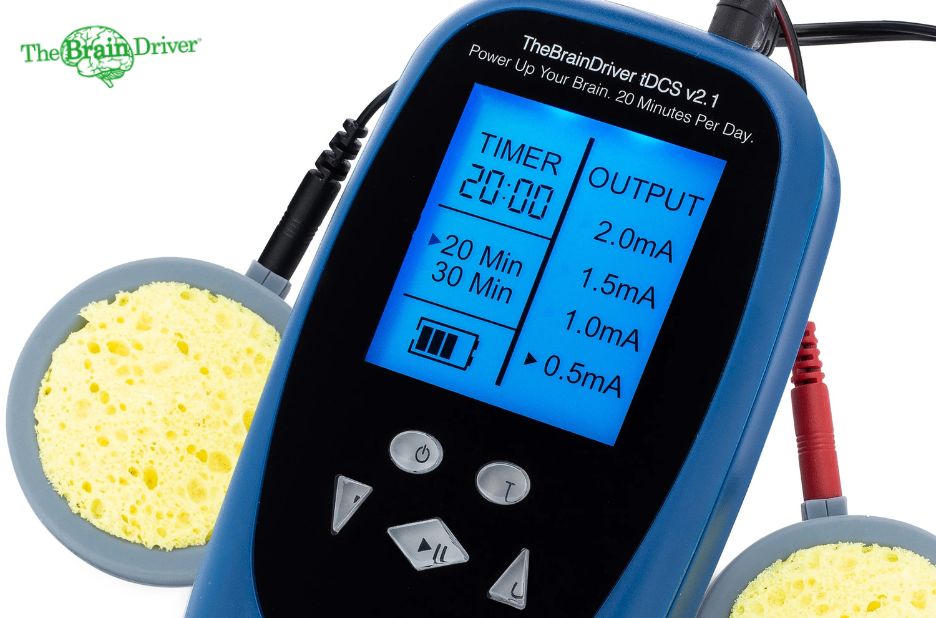
As you explore options, consider the availability of devices designed for clinical or home use. When you want to Buy Tdcs Device, prioritize reputable manufacturing standards, user-friendly interfaces, and clear safety instructions. Reading user reviews and consulting with a clinician about suitability can help ensure that a device matches your treatment goals and daily routine, while keeping safety at the forefront of decision making.
Long term outcomes and lifestyle integration
Integrating stimulation therapies into daily life often requires consistent routines and supportive habits. Complementary practices such as regular sleep, stress management, physical activity, and nutrition can reinforce neurological benefits. Regular follow ups with your care team help track progress, adjust plans as needed, and maintain motivation. A mindful, balanced approach tends to support sustained improvements and a higher quality of life.
Conclusion
When considering treatments that blend neuromodulation with holistic care, a cautious, informed approach is essential. Discuss your options with licensed professionals, set realistic milestones, and keep your health goals in clear view. Thebraindriver