


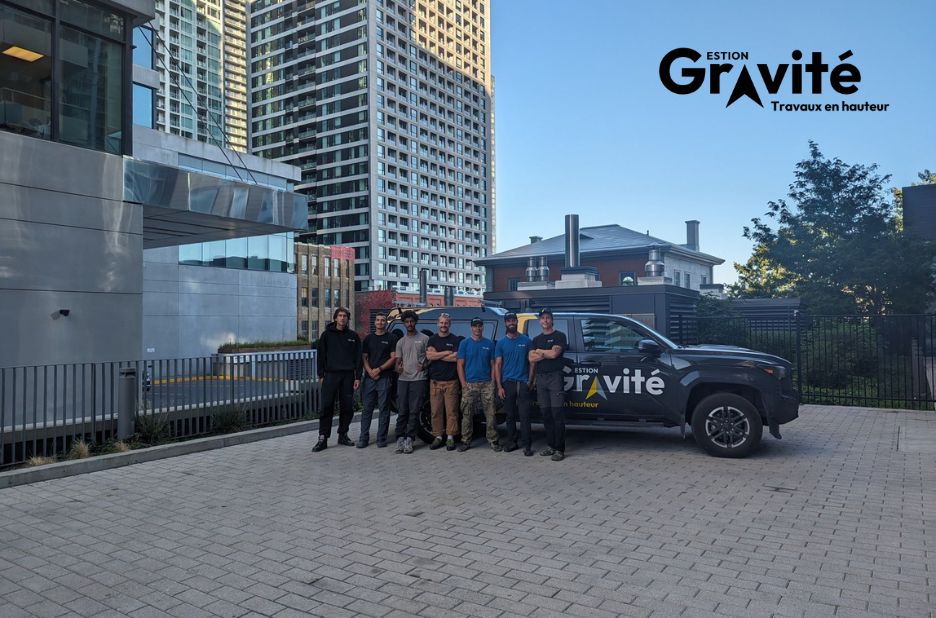
Overview of high window cleaning
Maintaining clean panes on multi story facades requires careful planning and the right approach. This guide focuses on safe practices, proper equipment, and efficient routines for handling difficult access without compromising safety. Teams often begin with a risk assessment, identify fall hazards, and map out a sequence that lavage des vitres en hauteur minimizes the need for repeated climbs. The goal is to deliver clear, streak-free results while protecting building occupants and workers. Strong communication and a clear chain of command help ensure everyone knows their role during each phase of the operation.
Equipment and safety systems used
Successful operations depend on reliable equipment such as suspended platforms, harnesses, and rescue kits. Regular inspections before each job prevent equipment failures that could lead to accidents. Operators should receive training on how to deploy lines, anchor points, and entreprise travaux en hauteur stabilizers, and how to manage weather impacts like wind gusts. A dedicated supervisor ensures adherence to procedures, monitors the team, and coordinates with site managers to keep timelines achievable without compromising safety standards.
Best practices for efficient cleaning
Effective methods balance thorough cleaning with time management. Workers plan routes to minimize movement while maximizing reach, using extendable squeegees and microfiber cloths for streak-free finishes. When dirty edges or frames require attention, teams allocate targeted passes so the primary panes receive priority. Documentation of product use and cleaning results supports quality control and helps identify equipment needs for future jobs.
Compliance and risk management
All operations should align with local regulations and industry guidelines. A formal risk assessment documents hazards, controls, and emergency procedures, including rescue plans. Training refreshers reinforce correct PPE use, safe work heights, and fall protection policies. Clients benefit from transparent reporting that confirms adherence to safety expectations and environmental considerations, reinforcing trust and accountability across the project lifecycle.
Operational considerations for height work
Coordination with building managers and other trades minimizes interference and protects pedestrian zones. Scheduling should consider weather windows, daylight, and lane restrictions to avoid rushed tasks. Documentation of cleaning outcomes and maintenance notes supports ongoing upkeep and asset longevity. In diverse environments, adaptable techniques and equipment configurations help teams tackle different facade materials and ornamentation while preserving surface integrity.
Conclusion
In this field, effective height cleaning hinges on preparation, disciplined execution, and continuous learning. Choosing the right tools and rigorously applying safety practices build consistency across projects. For teams managing demanding façades, a balanced approach to planning and execution yields reliable results while keeping workers protected. Gestion Gravité