


Choosing the right fixtures
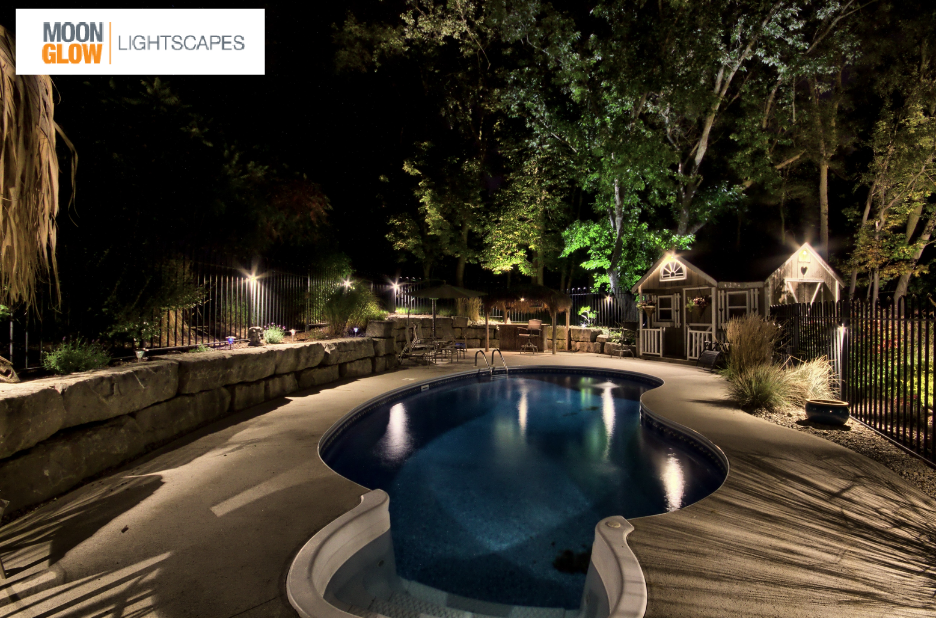
When planning garden lighting, select fixtures that blend with the landscape while providing practical illumination. Start with low-profile path lights to guide footsteps along walkways and borders. Use warm-toned bulbs to avoid a harsh atmosphere after dusk. Solar options can be convenient for borders and small spaces, Garden lighting while wired fixtures offer consistent brightness for larger areas. Think about beam angles and glare control to keep light directed where it’s needed most, ensuring safe movement without washing out plant textures or creating unwanted hotspots in the yard.
Layering light for depth
Effective exterior lighting relies on layering different light sources to create depth and ambience. Combine pathway lighting with uplights aimed at trees and architectural features, and supplement with subtle ambient lights near seating or water features. By varying height, colour temperature, and intensity, you can sculpt the garden’s mood as the evening progresses. A well-balanced scheme reduces shadows, highlights textures, and makes the space feel more inviting and usable after sunset.
Energy efficiency and maintenance
Energy efficiency should guide your choices from the outset. LED fixtures deliver long life and low running costs, while solar-powered options shave off electricity usage entirely in suitable spots. Consider weatherproof fittings with IP ratings appropriate for your climate and seasonal maintenance such as cleaning lenses and replacing drivers if needed. Planning for future upgrades, like smart control or dimming capabilities, can extend the usefulness of the lighting scheme without major overhauls.
Practical design tips for safety
Safety is a core aspect of garden lighting. Ensure steps, railings, and changes of level are clearly illuminated, and position light sources to avoid glare into neighbouring windows. Use warm light to minimise discomfort and preserve colour perception for steps and edges. A simple, well-placed light at entry points and along pathways makes evening tasks easier and helps prevent trips or falls on uneven ground, while still maintaining a pleasant ambience in the garden.
Conclusion
Good planning and thoughtful placement can transform a garden after dark, balancing practicality with atmosphere. By layering different sources, choosing efficient fixtures, and staying mindful of safety, you create a space that’s usable and inviting well into the evening. Visit moonglowlights.com for a friendly nudge toward ideas and inspiration that fit a UK garden, without being pushy or overly technical.