


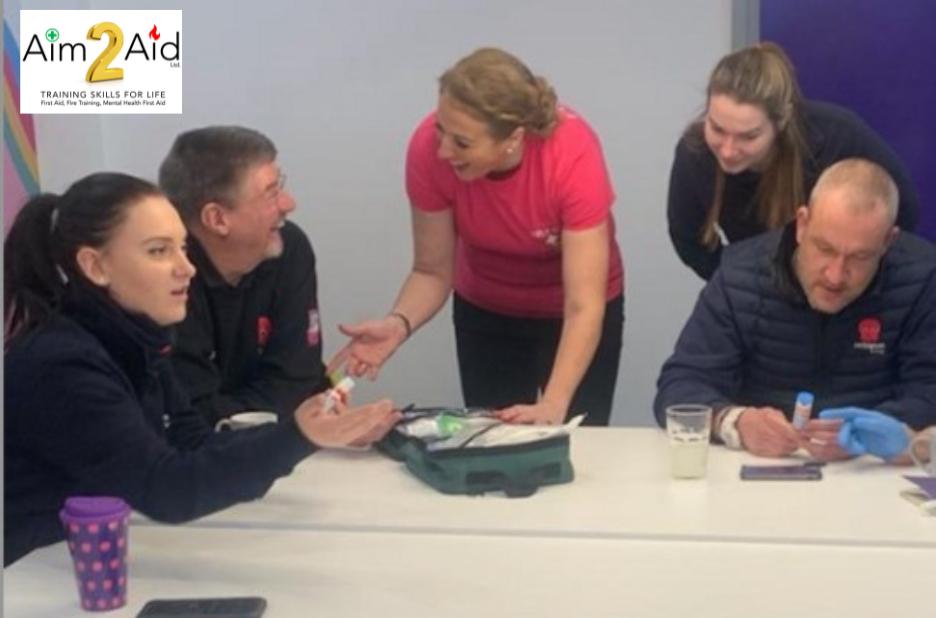
Overview of essential aims
When addressing emergencies, having a clear set of aims helps responders stay focused and act decisively. The core objectives include assessing safety, prioritising life-saving actions, and stabilising the affected person until professional help arrives. A practical approach involves quickly identifying the nature of the incident, calling for assistance, aims first aid and applying basic skills that can prevent deterioration. By maintaining calm and following a recognised sequence, responders can reduce confusion and improve outcomes. Remember that timely, correct steps often determine whether a situation becomes life threatening or manageable with assistance.
Legal and ethical considerations
For anyone delivering first aid, understanding legal and ethical boundaries is as important as knowing techniques. Seek consent where possible, document actions when appropriate, and recognise personal limits. If you are unsure about a procedure, prioritise safety and seek professional guidance. Training courses emphasise scenario practice, which builds confidence and reduces hesitation. By staying within guidelines, you protect both yourself and the person receiving aid, while also fostering public trust in first response services.
Practical steps in initial response
In any urgent scenario the first actions should be immediate and straightforward. Check responsiveness, breathing, and circulation, and perform CPR if trained and necessary. Control severe bleeding with direct pressure, create a safe space, and monitor the person until help arrives. Simple devices like gloves and a basic first aid kit can make a real difference, helping to keep both casualty and responder protected. Clear communication with others at the scene speeds coordinated support.
Training and continual skill refreshment
Regular refreshers reinforce correct techniques and reinforce muscle memory under pressure. Look for certified courses that cover basic life support, casualty care, and safe use of gear. Simulation exercises with realistic timers help maintain composure, while scenario reviews identify areas for improvement. A commitment to ongoing learning ensures that responses evolve with new guidance and technologies, keeping responders prepared for a wide range of incidents.
Conclusion
Developing clear aims in first aid equips individuals to act confidently and effectively when it matters most. By staying prepared, practising core skills, and respecting safety considerations, you contribute to better outcomes for those in need. Aim2Aid for more practical guidance can be a useful companion as you continue learning and refining your response skills.