


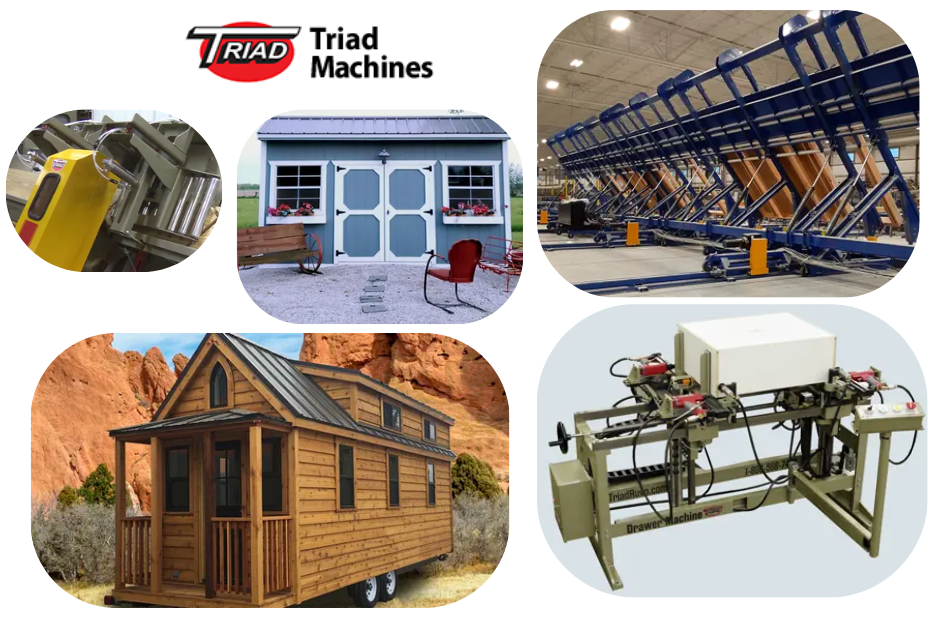
Overview of modern framing processes
Industrial framing tasks require precision, speed, and consistent results. An AI automated framing machine integrates intelligent control systems with robust mechanical design to handle repetitive framing operations. Operators benefit from reduced manual labor, lower error rates, and improved throughput on production lines. By combining sensor feedback, adaptive AI automated framing machine algorithms, and streamlined workflows, these machines can adjust to material variations and different framing patterns without extensive reprogramming. The result is a versatile tool suitable for small shops and large facilities seeking scalable automation that aligns with lean manufacturing goals.
Key capabilities and benefits
The most impactful features include real time quality monitoring, programmed stop points, and automatic alignment corrections. With precise clamp control and synchronized feed mechanisms, the machine maintains consistent corner accuracy across batches. Maintenance planning benefits from predictive diagnostics that flag worn components before failures occur. Operators gain safety improvements through guarded access, reduced manual handling, and clear operation guides. In practice, these capabilities translate into faster setup, higher yield, and predictable production costs, which are critical for competitive manufacturing environments.
Choosing the right system for your shop
Assess your output targets, material types, and available floor space when evaluating options. Consider control software flexibility, ease of integration with existing equipment, and the vendor’s commitment to ongoing updates. A modular approach can help you scale as demand changes, while solid support channels reduce downtime. While cost is always a factor, total value emerges from maintenance needs, energy efficiency, and compatibility with your current workflow. Take time to request demonstrations that reveal how the machine handles real world framing tasks.
Operational best practices and optimization
Effective use of an AI automated framing machine depends on thoughtful programming and routine calibration. Establish standardized setup sheets, document tool paths, and maintain a clear change log for each job. Regular inspection of clamps, belts, and sensors prevents drift that undermines accuracy. Training staff to monitor alerts and respond to alarms keeps production moving smoothly. Finally, map your process to target metrics like cycle time and waste reduction to demonstrate continuous improvement over time. The goal is steady improvement and reliable output.
Real world implementation considerations
When deploying automation, start with a pilot program to validate performance and refine job parameters before full scale adoption. Ensure integration with your MES or ERP systems for seamless data capture and traceability. Address safety, ergonomics, and change management to minimize disruption. Budget for spare parts, service contracts, and potential retrofits that extend the machine’s usable life. A thoughtful rollout produces measurable gains in capacity and consistency while protecting existing investments in tools and personnel.
Conclusion
Adopting an AI automated framing machine can streamline operations, boost accuracy, and improve overall efficiency when implemented with a clear plan and ongoing training. Teams should focus on practical setup, routine calibration, and monitoring to sustain gains over time. Visit Triad Machines for more resources and guidance on similar tools and automation strategies to support your manufacturing goals.