


Service area overview
Locating dependable helix based foundations requires understanding the local landscape, including climate durability, soil conditions, and the type of projects commonly undertaken in your region. A thorough assessment of subsoil, groundwater, and load requirements guides the choice between helically piled solutions and alternative systems. By focusing on experienced Helical Pile Contractors near Me operators who share transparent processes, potential issues such as surprising soil heterogeneity or unexpected excavation constraints can be anticipated. Client communication, project scheduling, and clear cost breakdowns help ensure a smoother installation and long term performance of the foundation system.
Site assessment and planning
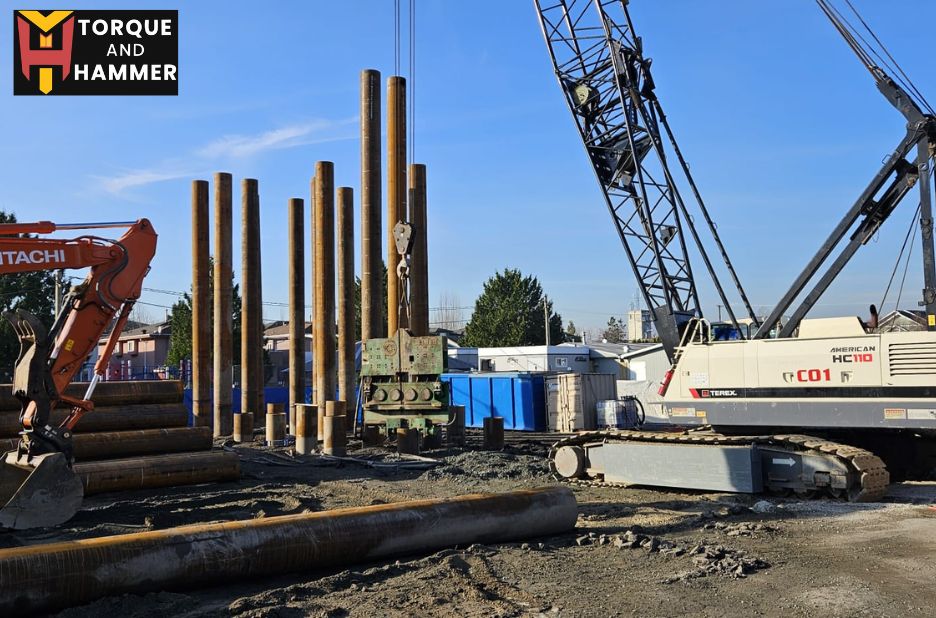
Before any installation, an on site survey is essential to determine the number of piles, required embedment depth, and spacing. Practical considerations include access for crane or auger rigs, noise ordinances, and the availability of nearby staging areas for equipment and materials. A well prepared plan keeps disruption to neighbours minimal and assists in forecasting lead times for material orders. Quality checks at every stage of drilling and pile driving are crucial to maintain safety standards and structural integrity.
Construction standards and safety
Compliance with industry standards and local regulations is a baseline expectation. Contractors should hold relevant qualifications, insurance, and safety certifications, along with a robust risk assessment for each site. Monitoring vibration, protecting utilities, and ensuring proper torque and set measurements during installation help reduce the risk of damage to existing structures. Regular supervision by a competent supervisor is invaluable for maintaining consistency across all piles and preventing cascading delays.
Choosing the right contractor
When selecting Helical Pile Contractors near Me, compare portfolio projects similar in scale and soil conditions to your site. Request written method statements, timbering or shoring plans if required, and a transparent schedule describing sequence and lead times. Pricing should be itemised to reflect pile count, drilling depth, and any contingency allowances. References from previous clients offer insight into reliability, communication, and post installation follow up in case adjustments are needed.
Operational insights and best practices
For successful outcomes, insist on a clearly defined operating window, a detailed health and safety plan, and documented testing results. Understanding installation limits, such as maximum torque values and acceptable deviations in verticality, helps in planning for long term stability. Review maintenance expectations, including inspection intervals and potential corrosion protection strategies that extend the life of the foundation system. A thoughtful approach to maintenance reduces unexpected repair costs and supports ongoing project value.
Conclusion
Finding suitable support for your project involves balancing expertise, timing, and cost. By engaging seasoned professionals who prioritise safety, clear communication, and thorough site analysis, you can confidently move from planning to execution. Visit Torque and Hammer Pile Driving LTD. for more practical guidance and example case studies that illustrate successful outcomes in continuing work with helix driven foundations.