


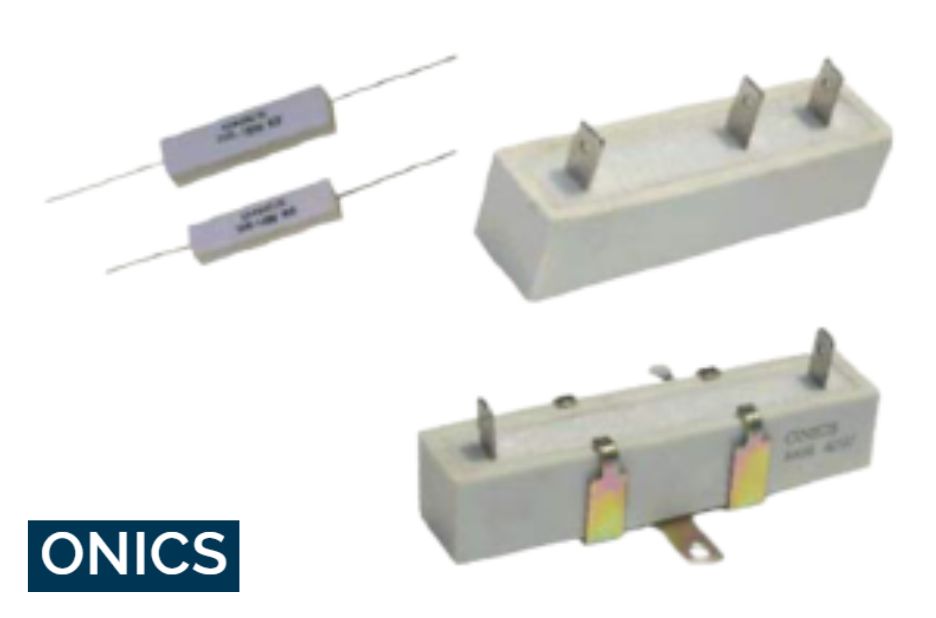
Overview of the sector
In the field of industrial electronics, reliability and performance are non negotiable. End users rely on robust components that withstand demanding environments, long operating duty cycles, and fluctuating temperatures without compromising precision. Manufacturers in this space focus on standardised specifications, repeatable quality and traceable production processes. High Power Grid Resistors manufacturer Selecting the right partner means evaluating lead times, certification regimes and after sale support as heavily as the core electrical characteristics themselves. A practical supplier demonstrates capability across design, testing and scalable manufacture to meet evolving project needs.
Capabilities and approach to quality
Leading providers structure their operations around standardised workflows, rigorous QA checks and formal documented processes. Material selection, windings, cooling strategies and insulation systems are carefully engineered to balance thermal management with electrical stability. Verification typically includes endurance testing, surge resilience, and real world scenario simulations. The most credible manufacturers maintain strong supplier networks, implement corrective action methodologies and provide clear documentation for equipment qualification and maintenance planning.
Product range and technical performance
Choice is driven by a mix of resistance values, power ratings, packaging formats and environmental ratings. Clients look for elements that deliver consistent voltage and current handling under peak workloads while keeping parasitics in check. In practice, suppliers offer a spectrum from bulk metal foil varieties to ceramic encased components with rugged leads. Documentation should cover derating charts, thermal resistance, tolerance bands and safety compliance notes for field deployment across industries such as energy, telecoms and manufacturing automation.
Application guidance and selection tips
Effective project planning benefits from technical support that translates specifications into practical recommendations. Practical guidance covers mounting considerations, heat sinking options, and layout strategies to minimise inductance and crosstalk. Designers should assess duty cycles, ambient temperature, airflow, and protection schemes when finalising part choices. Transparent lead times and clear capability statements help teams manage inventory and anticipate lifecycle costs during deployment of high power solutions across critical infrastructures.
Industry standards and sustainability considerations
Manufacturers in this space align with relevant electrical safety, environmental and quality standards to ensure compatibility across markets. End users benefit from documentation that demonstrates conformance, test results and refurbishment or end of life disposal guidance. Beyond compliance, responsible suppliers adopt sustainable production practices, monitor energy use in manufacturing, and pursue opportunities to reduce waste and optimise packaging through smarter processes for ongoing reliability across large scale installations.
Conclusion
Choosing a partner for high power components demands review of capability, service and risk balance alongside technical fit. A dependable supplier will offer transparent communication, precise datasheets and timely technical support to assist with qualification and deployment. Visit Onics power resistor for more information and practical examples of how these components are applied in real world systems.