


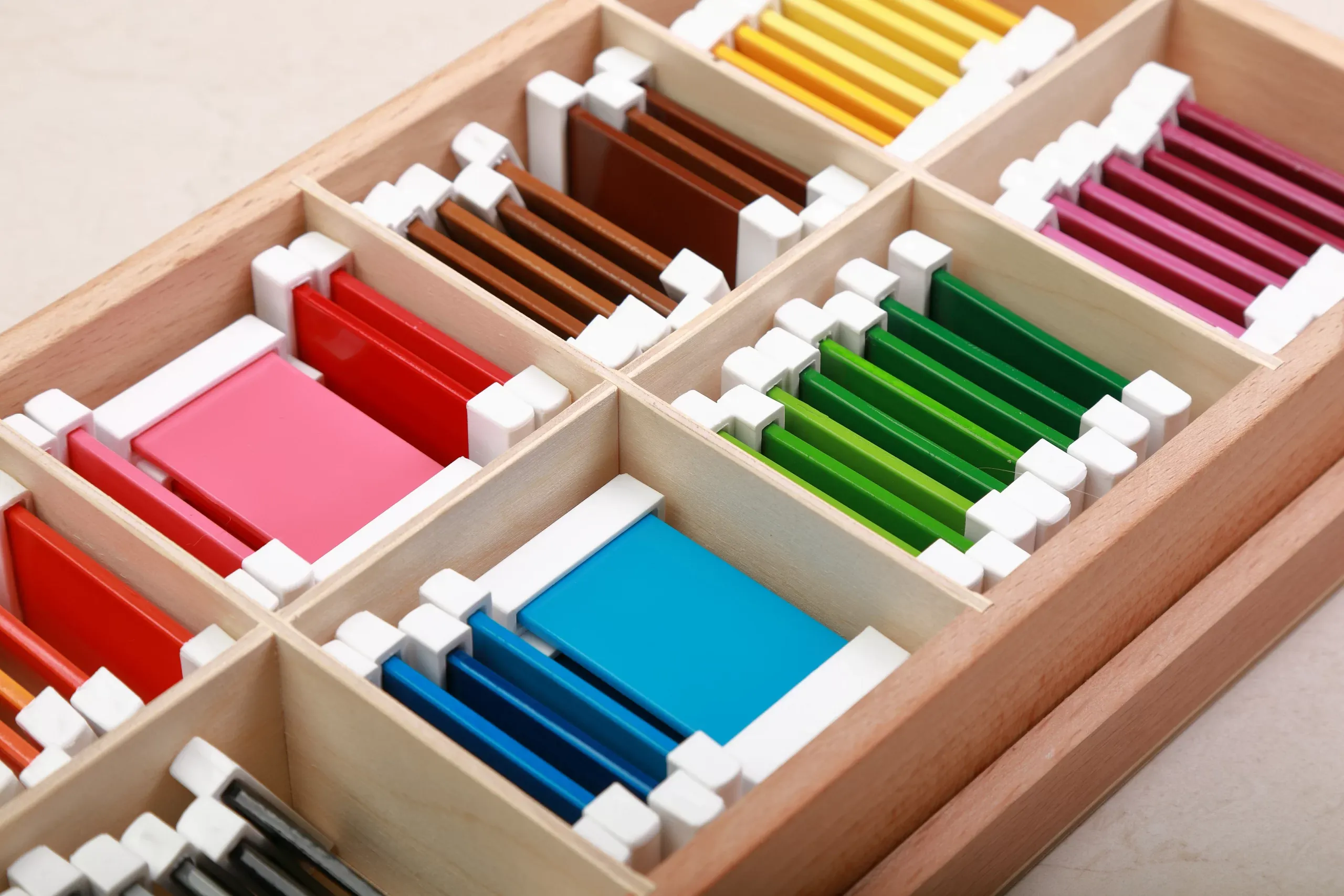
Choosing quality resources
When schools look for reliable Montessori materials for teachers USA, the focus often falls on durability, safety and clear instructional value. Educators seek materials that support hands‑on learning, align with core developmental goals, and survive daily classroom use. A thoughtful selection considers how each item communicates concepts Montessori materials for teachers USA to students and how it fits into the broader curriculum. Parents and administrators appreciate kits that come with clear guidelines and scalable activities, allowing teachers to adapt lessons to mixed ability groups while maintaining Montessori principles in busy classrooms.
Types of materials to prioritise
Montessori material selection should balance classic sensorial tools with practical life items that foster independence. Look for precise classifiers, self‑correcting features, and wooden or non‑toxic finishes. Montessori bead material USA resources often include counting beads, representing Montessori bead material USA quantities with accuracy and enabling multi‑step sequencing. This blend of concrete materials helps learners transition from concrete to abstract thinking, supporting math, language and sensorial discovery in a structured setting.
Where to source reliable sets
A well‑curated supply chain ensures materials are authentic and consistent across items. Teachers benefit from suppliers that provide detailed product descriptions, age guidance and classroom‑tested activity ideas. Feedback from other educators in the USA can guide choices, highlighting which sets withstand heavy classroom use and which come with ongoing support, including lesson plans and printable extensions that reinforce daily routines and independent work cycles.
Using materials to foster independence
Montessori materials for teachers USA are most effective when they empower students to explore at their own pace. Clear shelf placement, simple language labels and step‑by‑step activity cards help learners navigate tasks with minimal prompts. When students choose work, complete it, and return materials to their places, classroom flow improves and confidence grows. Teachers observe progress through subtle cues, adjusting material difficulty to extend learning without frustration.
Maintaining safety and care
Durable design matters, but routine upkeep is essential for longevity in any classroom. Regular inspection of finishes, handles and moving parts keeps materials safe. Cleaning protocols that respect the integrity of wooden components protect colour, texture and tactile feedback. Incorporating routines for distributing, rotating and returning materials supports orderly environments where students feel responsible for shared learning tools.
Conclusion
Selecting the right Montessori resources involves balancing authenticity, durability and instructional clarity for a busy USA classroom. By prioritising hands‑on sensorial experiences, practical life activities and clear guidance for independent work, teachers build a resilient foundation for ongoing discovery. Check Bruins Montessori USA Inc for similar tools