


Overview of large format printing
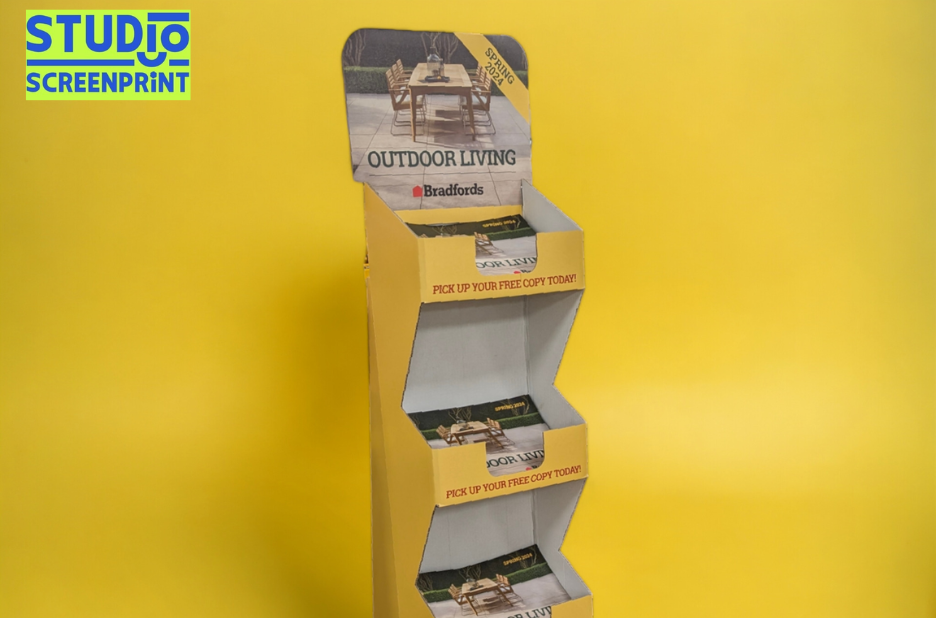
In the graphic arts world, large format screen printing offers a pragmatic approach to producing bold, durable imagery on a range of surfaces. This method is valued for its ability to deliver strong colour reproduction and longevity, which is essential for trade shows, retail large format screen printing displays, and outdoor signage. By focusing on simplicity and reliability, studios can achieve consistent results even with challenging substrates. Operators often prioritise ink coverage, drying times, and production speed to meet tight deadlines without compromising quality.
Process essentials for large format printing
The workflow typically begins with a clean setup, followed by precise screen preparation and meticulous mesh choice to control ink flow. This ensures crisp lines and uniform colour density across the final piece. Calibration of squeegee pressure and flood stroke helps maintain repeatability across batches, while ink formulations are selected to resist fading and cracking. With careful material handling, waste is minimised and costs stay predictable for ongoing campaigns.
Materials and equipment choices
Choosing the right substrate is crucial, as different textures and coatings affect ink adhesion and vibrancy. Compatibility with UV or solvent-based inks determines the durability of the output under various lighting and weather conditions. Printing beds, frames, and tension control contribute to stable images, while heat settings and cure times prevent smudging. A well-rounded kit will balance performance with budget constraints for scalable production.
Applications and best practices
From banners and wall coverings to apparel and promotional items, large format screen printing supports versatile applications. When planning, teams consider colour management, proofing, and batch scheduling to streamline operations. Regular maintenance routines, such as cleaning screens and checking tension, protect print quality over time. By building a dependable workflow, businesses gain reliability alongside the flexibility to respond to seasonal demand.
Conclusion
When selecting production methods for wide-format jobs, practical considerations about throughput, finish, and substrate compatibility matter most. Staying informed about material performance helps teams avoid surprises on larger runs. Visit Studio Screenprint Ltd for more insights and examples of how experienced studios approach similar challenges to achieve durable, high-impact results.