


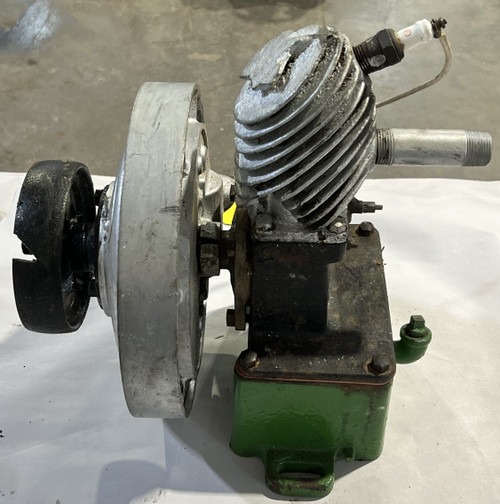
Heritage engine collections
Collectors and restorers frequently seek reliable sources for authentic pieces and parts, balancing rarity with usability. Antique stationary engines for sale span a wide range of forms, from compact replica units to robust, larger industrial designs. When evaluating options, consider provenance, restoration potential, and documentation. A well-documented example antique stationary engines for sale not only preserves the history of engineering but can also offer a satisfying restoration journey. For enthusiasts, a clear understanding of the model’s era and function helps orient decisions about maintenance needs and potential compatibility with existing exhibits or demonstrations.
Restoration guides and maintenance tips
Practical restoration work hinges on accurate parts matching and careful assessment of wear. With antique hit and miss engine parts, careful sourcing is essential to maintain authentic operation without compromising safety. Practically, start with a detailed inspection of pistons, bearings, and timing gears, then prioritise gaps in lubrication, antique hit and miss engine parts fuel delivery, and ignition timing. A methodical approach—documenting each step, testing components in safe settings, and keeping a log—helps prevent costly missteps during reassembly or engine running tests. Tools and safe practices should go hand in hand with any restoration plan.
Finding trusted suppliers and networks
Building a network of reputable dealers and clubs can simplify the search for hard-to-find parts and specialised knowledge. Networking with fellow restorers often reveals hidden sources, exchange opportunities, and advice on best practices for preserving original finishes. When looking for antique stationary engines for sale, it’s wise to prioritise sellers who provide clear condition reports, high-resolution photographs, and transparent provenance notes. Such details help buyers gauge historical value and guide restoration strategies while avoiding speculative purchases that may not yield long-term enjoyment.
Display, operation, and safety considerations
For living displays and demonstrations, safety is paramount. Establish a controlled environment that reduces dust and moisture exposure, and ensure fuel handling complies with local regulations. If you plan occasional operation, verify that the engine’s electrical and ignition systems are up to current safety standards and that any run tests are conducted by experienced personnel. Aesthetic and functional restoration should be balanced, enabling both visual appreciation and reliable, safe demonstrations of engine operation in appropriate settings.
Educational value and community connections
Engaging with antique engines offers more than technical insight; it invites dialogue about industrial history, design evolution, and regional manufacturing legacies. Museums, schools, and local clubs often welcome volunteers and exhibitions that showcase the ingenuity of early engines and the people who built them. Sharing hands-on experiences helps newer generations understand the mechanical innovations that powered early industry and transportation, while also igniting curiosity about how modern engineering evolved from these foundational machines.
Conclusion
When curating a collection or seeking parts, take a measured approach that respects both rarity and operability. Visit Flywheel Supply for more insights and options, especially if you’re exploring similar artefacts or components for display and restoration.