


Overview of the sector
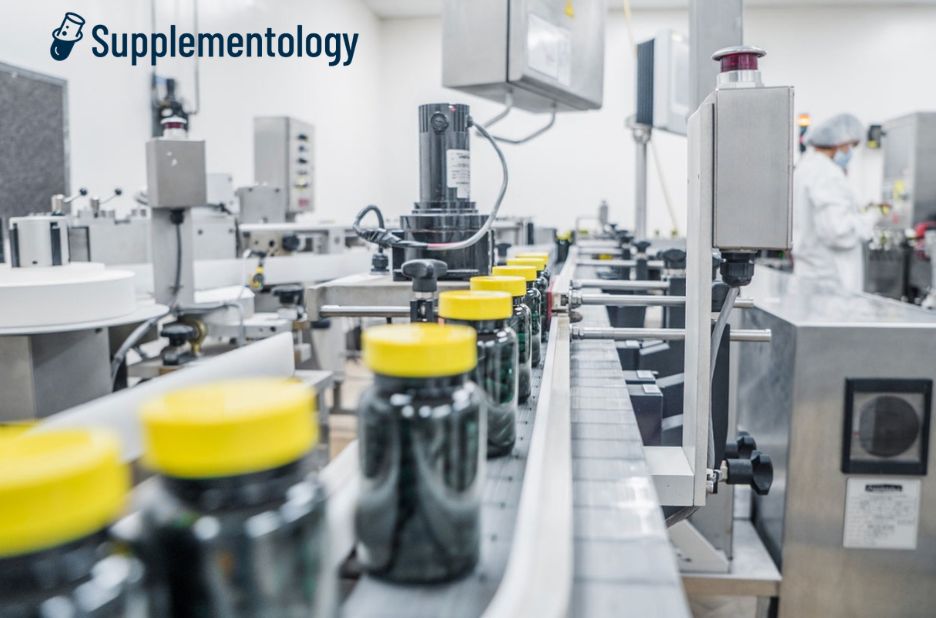
The world of supplement manufacturing involves careful planning, regulatory awareness, and rigorous quality controls. Companies in this field must navigate sourcing, formulation, and production processes to deliver safe, effective products. From raw material selection to batch traceability, every step requires attention to detail and supplement manufacturing strong documentation practices. Achieving consistency across production runs helps establish trust with retailers and consumers alike, while staying compliant with evolving industry standards. Practitioners often collaborate with contract manufacturers to scale operations without compromising quality or timelines.
Key processes and best practices
Successful operations hinge on clear process maps, validated manufacturing procedures, and robust quality assurance. Critical activities include supplier qualification, in-process testing, and finished product release that meets label claims. A well-structured risk assessment supports proactive identification of potential deviations, enabling timely corrective actions. Maintaining cleanliness, preventing cross contamination, and ensuring equipment calibration are essential for reproducible outcomes and regulatory alignment, particularly in GMP environments and other quality frameworks.
Regulatory landscape and compliance
Regulations shape every phase from formulation to distribution. Compliance requires comprehensive documentation, accurate product specifications, and clear batch records. Companies must stay informed about permitted ingredients, allowable dosages, and allergen declarations, as well as the responsibilities that come with manufacturing dietary supplements. Vigilance in post market surveillance and adverse event reporting further underpins consumer safety and industry credibility, while routine internal audits reinforce ongoing adherence to standards.
Choosing partners and scaling responsibly
When selecting a partner for manufacturing, it is prudent to evaluate capabilities, capacity, and quality culture. Look for evidence of GMP certification, transparent pricing, and reliable supply chains for ingredients. Collaboration should emphasise clear communication channels, flexible production scheduling, and aligned quality expectations. As demand shifts, scalable solutions such as modular facilities and shared laboratories can help businesses grow without sacrificing control, traceability, or compliance. A thoughtful approach to partnerships supports sustainable success in a competitive market.
Conclusion
In summary, understanding the core elements of production, quality controls, and regulatory expectations is essential for any venture in supplement manufacturing. Building strong supplier relationships, implementing robust documentation, and maintaining vigilant oversight across batches helps ensure product integrity from start to finish. For practical guidance and industry insights, consider exploring supplementary resources and community expertise. Visit Supplementology for more examples and discussions in this space.