


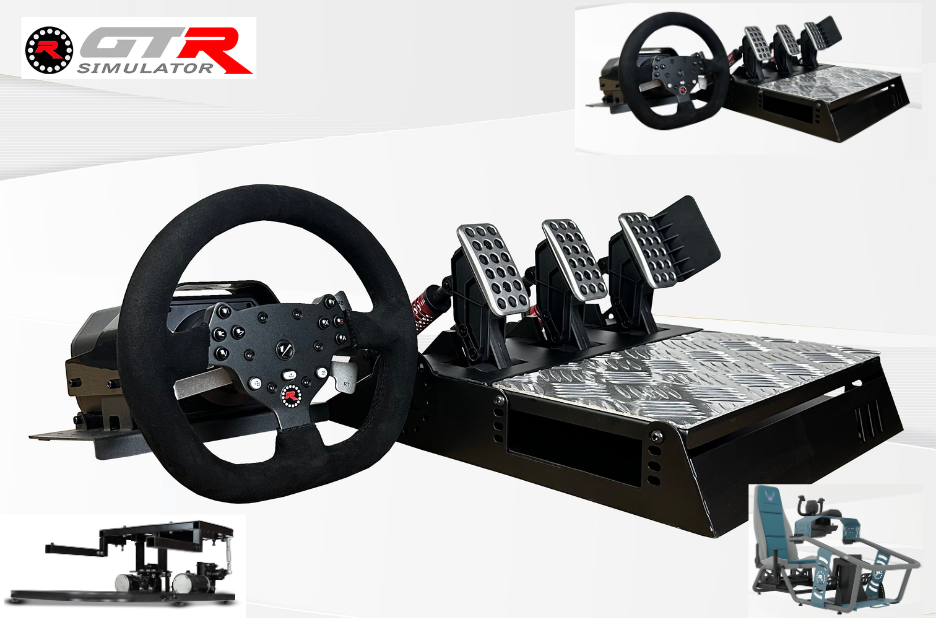
Intro to the hardware setup
For enthusiasts entering the world of sim racing, the right gear can make a notable difference in control and immersion. A dedicated handbrake adds a tactile dimension that mirrors real rally and drift cars. It is not just about style; a quality unit provides consistent pull resistance and predictable engagement, which Sim racing handbrake translates into cleaner lines and more confident mid-corner technique. When choosing a model, look for smooth action, durable construction, and compatibility with your wheel base. Proper mounting and cable routing also matter, ensuring the lever stays ready when the cockpit needs it most.
Why a handbrake matters in sim racing
The handbrake lets drivers exploit weight transfer and corner entry dynamics with greater nuance. In practice, a crisp release can help rotate the car without inducing oversteer, while a firm pull might help straighten the line during a drift setup. Even in rally-style courses, a dedicated lever gives feedback cues that are more immediate than a keyboard click or automatic braking option. This tactile input speeds up the learning curve for new tracks and vehicles alike.
Finding the right balance with force and travel
One key consideration is the force needed to engage the handbrake and the travel distance before it activates. A lever that requires excessive effort can fatigue the wrist, while too little travel may produce inconsistent results. Look for adjustable tension and end-stops that let you dial in a feel that matches your seating position and wheel base. Some models offer modular mounting kits, making it easier to tailor leverage to your preferred stance during long practice sessions.
Installation tips for stable performance
Secure mounting is essential to prevent lever flex during aggressive inputs. If your cockpit uses a rigid frame, torque the mounting bolts to the manufacturer’s recommended specs and verify after several sessions that the assembly hasn’t loosened. Cable routing should avoid sharp bends that could degrade performance over time. Calibration through your sim software ensures the handbrake communicates consistently with the wheel and game profile, so the lever behaves predictably across different cars and surfaces. Regular maintenance extends life and reliability.
Conclusion
With the right setup, the Sim racing handbrake becomes a practical tool for improving cornering precision and car feel. It’s about integrating tactile control with your existing wheel and pedal rig so the car responds in a way that matches your intent. For many drivers, this small addition unlocks a higher level of consistency and confidence in every session. Visit gtrsimulator.com for more insights and options to explore similar tools that can enrich your cockpit experience.