


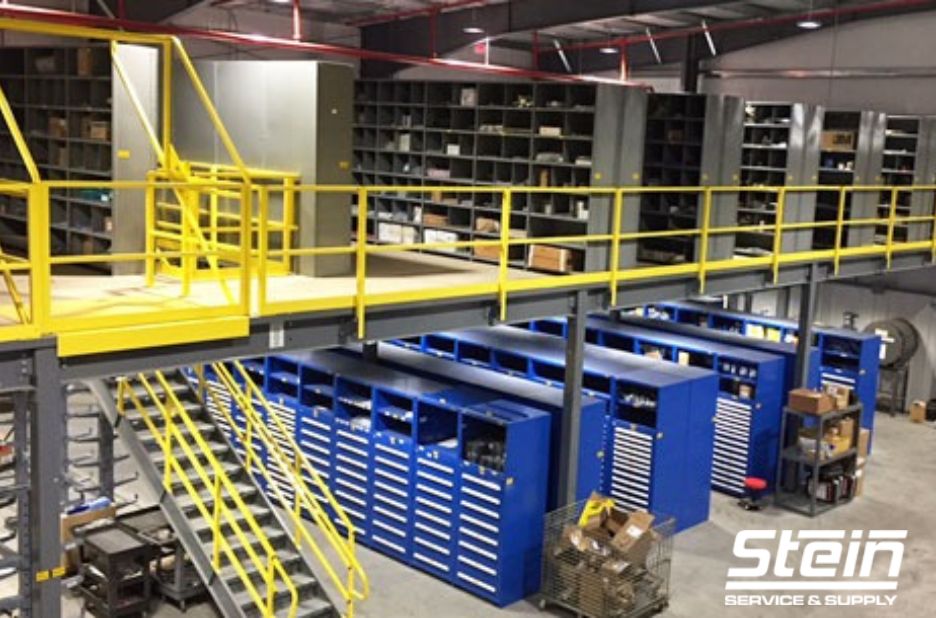
Smart workspace planning
When designing a functional workspace, modular offices offer flexible layouts that adapt to changing team sizes, equipment, and workflows. The ability to reconfigure rooms quickly reduces downtime and supports collaboration. By considering future needs, you can select wall panels, doors, and partitions that are easy to modular offices move. This approach helps organizations scale operations without costly remodeling. A thoughtful plan also accounts for lighting, acoustics, and thermal comfort to maintain a productive environment throughout shifts. Balancing openness with zones for focused work yields steady performance.
Efficient storage integration
A well-organized facility relies on solid storage solutions that maximize floor space and accessibility. Incorporating modular standards for shelving and racks ensures the layout remains flexible as demand shifts. When choosing storage components, prioritize adjustable heights, durable materials, and warehouse storage racks safe load ratings. Proper labeling and zone designations prevent bottlenecks and speed up inventory checks. A practical storage system supports daily tasks and long term growth alike, reducing clutter and enhancing workflow visibility.
Choosing durable materials and fast assembly
Durability matters for both modular offices and storage systems in busy environments. Selecting modular components built with high-grade steel, impact-resistant panels, and reinforced joints minimizes maintenance. Quick-assembly designs save installation time and limit disruption to ongoing operations. Consider accessibility of connectors and the availability of spare parts to ensure longevity. A well-chosen kit reduces the total cost of ownership while preserving flexibility for future changes.
Safety, compliance, and maintenance
Safety standards govern the layout and use of modular offices and warehouse storage racks. Installations should meet local code requirements and incorporate clear pathways, fire exits, and security features. Regular inspections identify wear, loose fittings, or misaligned shelves before they become hazards. Establish a maintenance schedule for door seals, hinges, and rail systems. Training employees on proper use of modular elements helps sustain safety and performance over time.
Conclusion
Modular offices and efficient storage systems work together to create adaptable, productive spaces that can grow with your business. By prioritizing flexible layouts, durable components, and safe, clear organization, you build a facility ready for changing demands. For additional insights and options tailored to your needs, visit steinservicesupply.com for more information and ideas that fit your operations.