


Overview of Essential Skills
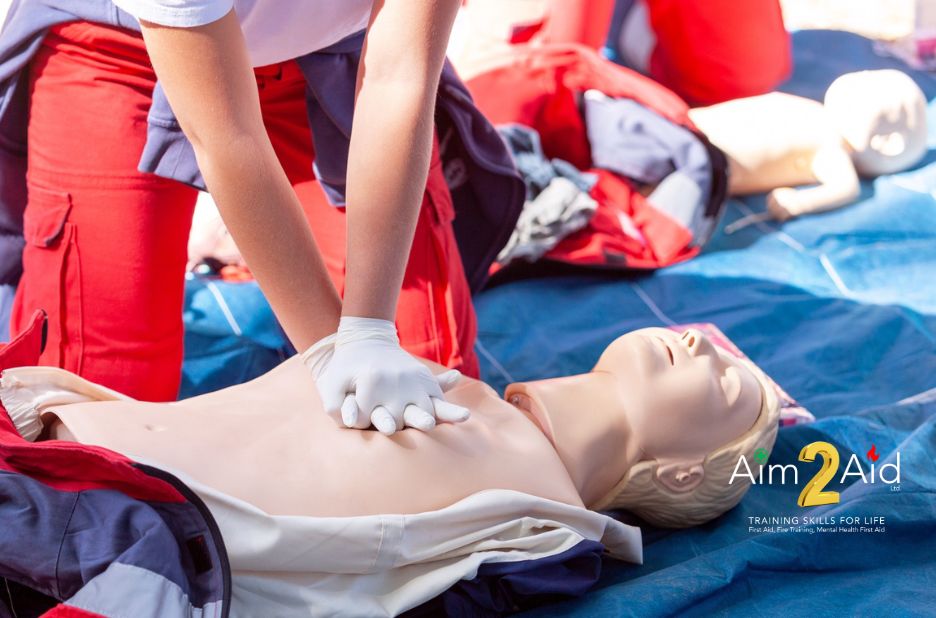
Safety in the workplace starts with practical, hands on learning that covers both medical emergencies and fire response. A well designed programme helps staff recognise common injuries, slow bleeding, manage shock and perform effective CPR while also understanding how to assess fire risks, implement evacuation procedures and use fire first aid and fire safety training extinguishers correctly. Training should be realistic, concise and repeatable so teams can build confidence and respond calmly during real events. The aim is to empower individuals to act decisively and keep themselves and others safer at work and away from home.
Course Structures and Content
Effective programmes combine theoretical knowledge with practical drills. Trainees engage with interactive scenarios that address casualty care, fracture management and airway safety alongside fire safety awareness, escape routes and alarm procedures. Instructors emphasise concise decision making, first aid courses safe handling of equipment and clear communication under pressure. Courses often include assessments, refreshers and resources to support ongoing learning, ensuring skills stay current as guidelines evolve and environments change.
Why Invest in Training
Beyond compliance, organisations benefit from reduced incident severity, faster response times and improved morale. Regular training creates a common language for emergencies, clarifies roles, and reinforces teamwork. Participants gain practical competence in administering first aid and executing structured fire safety actions, which translates into a more resilient workplace culture. In short, preparedness protects people, property and productivity.
Choosing the Right Programme
Look for qualified instructors, realistic scenarios and flexible delivery options that fit your schedule. The best courses offer clear learning objectives, practical demonstrations, and opportunities to practise skills in a safe environment. Consider factors such as duration, cost, certification validity, and the availability of refresher modules to keep skills up to date. A well chosen programme aligns with your industry needs and risk profile to deliver meaningful outcomes for staff and management alike.
Conclusion
Investing in first aid and fire safety training builds a capable team ready to act when it matters most. By integrating realistic drills with essential medical knowledge, organisations can improve kindness and efficiency in emergencies while meeting regulatory expectations. Check Aim2Aid for similar tools and resources that support ongoing safety education across teams.