


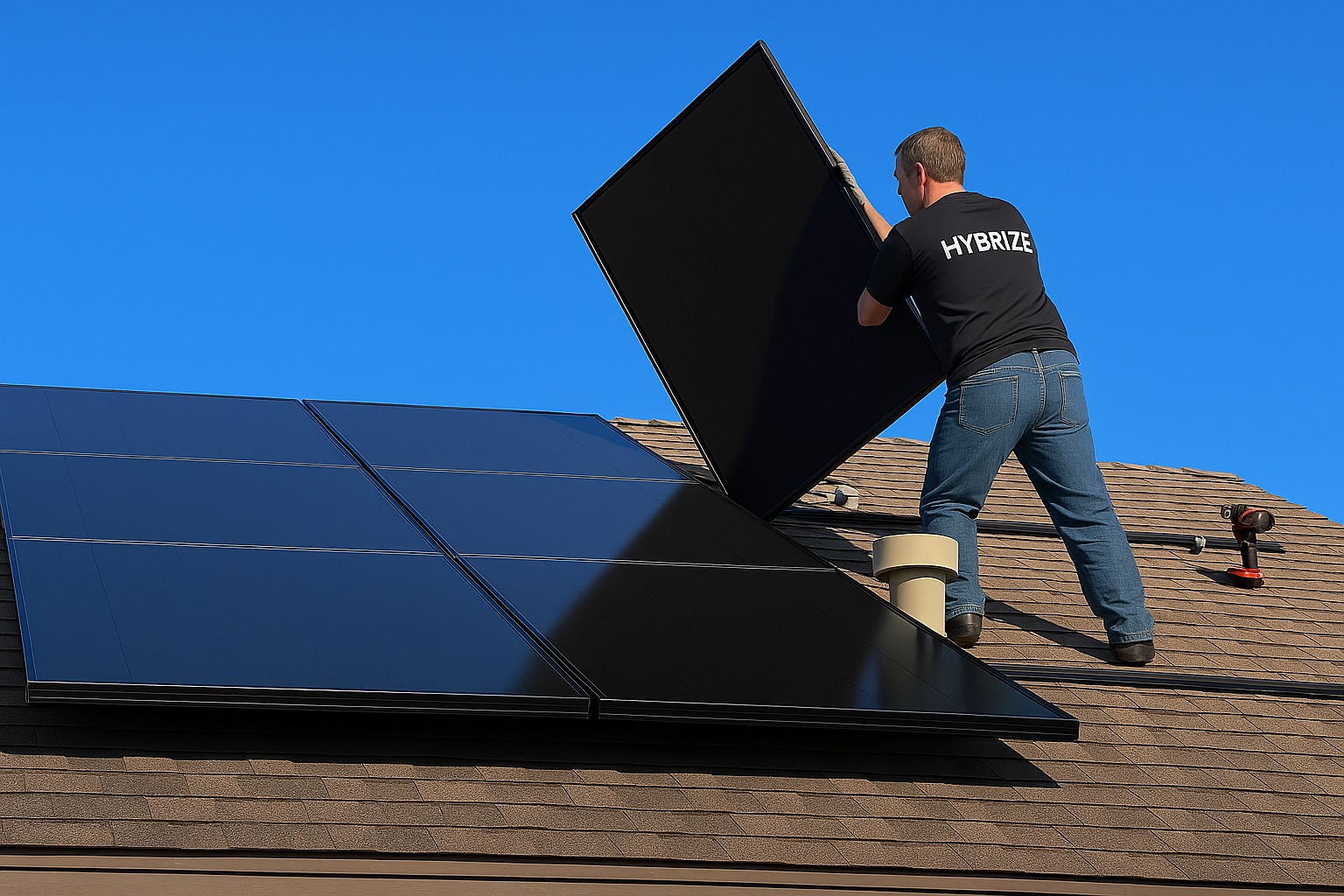
Overview of rural solar projects
Rural farming operations in Alberta increasingly turn to solar installations to stabilise energy costs and reduce exposure to utility price swings. Practical concerns include site selection, sun exposure, and the balance between initial capital outlay and long term savings. Many farmers start with a modest system to farm solar systems Alberta gauge performance before expanding. Key factors to consider are available land, access to the grid, and the potential for parallel use with grain drying or irrigation processes. A phased approach helps manage cash flow while testing real-world efficiency on farm.
System sizing and energy needs
Determining the right size for a solar setup requires a clear view of annual electricity usage and seasonal demand. In Alberta, peak sun hours vary seasonally, influencing how much energy a system can generate during critical periods. Producers typically map daily consumption against potential solar production, then factor in weather patterns and maintenance requirements. Designing for a blend of reliability and future expansion supports ongoing farm operations and contingency planning.
Tech choices and installation basics
Advances in photovoltaic panels, inverters, and racking systems offer durable, weather‑resistant options for farm environments. Durable hardware helps cope with snow loads, wind, and temperature swings common in Alberta. Storage solutions, such as battery packs, can enhance resilience and provide power for essential equipment during outages. Installation considerations also include permitting, grid interconnection, and safety practices for ongoing farm activities.
Financing, incentives, and maintenance
Financing farm solar systems Alberta requires careful budgeting, with options ranging from outright purchases to leases and power purchase agreements. Government incentives and rebates may be available at provincial and federal levels, which can shorten payback periods. Ongoing maintenance concentrates on panel cleaning, inverter checks, and monitoring for performance deviations. A proactive maintenance plan helps ensure predictable output over the system’s lifetime.
Operational integration on the farm
Integrating solar with existing farm infrastructure often yields the best results. The right mix of on‑site generation and grid supply supports equipment such as irrigation pumps, milking parlours, and grain dryers. Real‑time monitoring helps farmers identify underperforming components and optimise energy use. Planning for continued operation during periods of low solar input, via hybrid strategies, can safeguard productivity across all seasons.
Conclusion
Adopting solar power on a farm in Alberta can bring meaningful cost relief and energy independence, especially when approached with careful sizing, dependable equipment, and solid maintenance routines. For practices aligned with local conditions, many growers find phased rollouts effective, building capacity as confidence grows. Visit hybrizesolar for more information and ideas on sustainable farming support, including practical tips and case studies that reflect regional realities.