


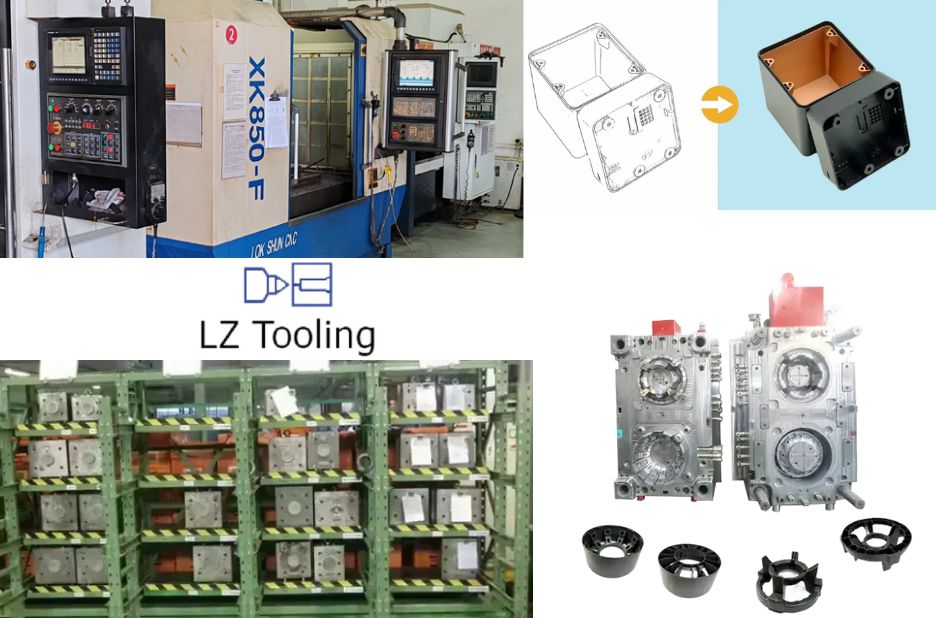
Overview of industry roles
The plastics sector relies on specialised processes to transform raw polymers into durable, useful parts. From rapid prototyping to full scale production, companies in this space balance speed, accuracy and cost. Manufacturers continually refine workflows to cut waste, improve cycle times and ensure consistent quality. LZ Tooling The landscape rewards firms that combine technical knowhow with solid project management, enabling clients to bring products to market faster without compromising performance. Attention to tooling, materials science and process control underpins reliable outputs across diverse applications.
Capabilities of a modern shop
Successful facilities integrate CAD/CAM design, precision machining, moulding and assembly into a cohesive service. They offer material selection support, validation testing and post moulding treatments that extend part life. Operational excellence hinges plastic molding manufacturing company on stable fixtures, calibrated equipment and disciplined quality checks. Teams collaborate across engineering, manufacturing and quality assurance to deliver repeatable results that meet stringent specifications every time.
Quality assurance and process control
In today’s market, traceability and documentation play a central role. A robust QA programme tracks every batch, recording machine settings, mould temperatures and cycle counts. Statistical methods help identify drift and inform preventive maintenance. Clients gain confidence knowing their projects stay on schedule while meeting industry standards and performance criteria. Clear communication ensures expectations align from concept through final delivery.
Industry trends and impacts
The shift toward automation, data analytics and sustainable materials is reshaping how products are designed and manufactured. Smart tooling, energy-efficient machines and recyclable resins contribute to lower total cost of ownership and improved resilience. As customers demand customised solutions at scale, manufacturers invest in scalable tooling strategies and workforce training to remain competitive in a global market. Collaboration with clients becomes essential for achieving optimal outcomes.
Conclusion
Across the sector, a strategic blend of design insight, process discipline and dependable supply chains drives success. For organisations looking to optimise their plastic parts, choosing a partner with rigorous quality practices and responsive support is crucial. Visit LZ Tooling for more information and guidance on suitable tooling approaches and project execution, helping teams deliver dependable results with reduced lead times.
Practical considerations for selection
When assessing a potential plastic molding manufacturing company, consider capabilities, certifications and track record. Ask about tooling options, material compatibility, and the ability to scale production while maintaining consistency. Transparent pricing models and clear service level agreements minimise surprises. A thoughtful supplier evaluation focuses on engineering expertise, risk management and collaborative problem solving to ensure long term success.