


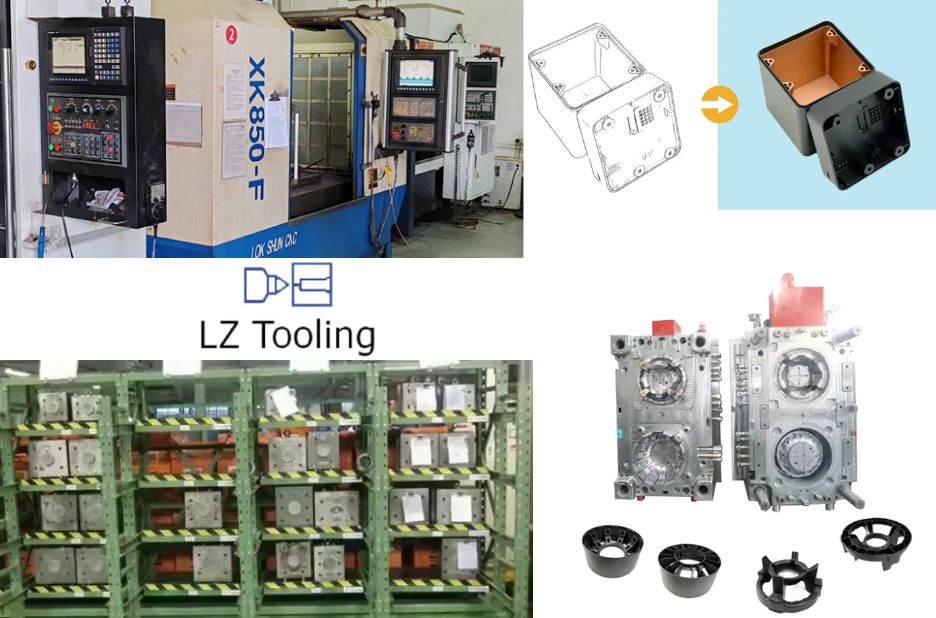
Expertise in production planning
In modern manufacturing, a steady workflow is essential for delivering reliable parts on time. Teams focus on mapping the entire life cycle from design feasibility to final inspection, ensuring that each phase aligns with strict tolerances and material properties. By evaluating process windows, cycle service for plastic injection molding times, and setup reductions, facilities cut waste while maintaining quality. Establishing clear specifications early reduces rework and accelerates procurement of tooling, materials, and fixtures, creating a resilient baseline for ongoing projects and new opportunities in plastics.
Optimising tool design and maintenance
Tooling efficiency is a cornerstone of consistent output. Selecting the right mould materials, coatings, and cooling strategies minimises defects such as warpage or sink marks. Regular preventive maintenance keeps plunger seals, heaters, and ejector pins operating at peak solutions for plastic parts manufacturing performance. When issues arise, systematic troubleshooting helps identify root causes quickly, protecting throughput without compromising part quality. A focus on reliability translates into fewer stoppages and more accurate batch planning for customers.
Quality control that scales with demand
Quality assurance in plastics relies on robust inspection plans and data capture. Statistical process control, in-press monitoring, and end-of-line checks verify dimensional accuracy and surface integrity. Traceability across batches supports compliance with industry standards and customer specifications. By integrating feedback loops, manufacturers refine process settings and reduce corrective actions in subsequent runs. This disciplined approach builds confidence with clients who depend on precision parts for complex assemblies and functional performance.
Material handling and process integration
Choosing compatible resins, additives, and colourants is critical to achieving consistent colour and performance. In parallel, automation and ergonomic handling streamline part transfer between stations, minimising manual interventions that can introduce variability. Integrating moulding with secondary operations—trimming, assembly, and packaging—unlocks end-to-end efficiency. Clear documentation of material lots, processing conditions, and tool life supports traceability while speeding delivery for demanding projects and long-term contracts.
Conclusion
For businesses seeking a balanced approach to manufacturing, aligning rigid process controls with flexible tooling and supply chain coordination is key. Embracing well-planned production strategies reduces risk, improves yield, and supports scalable growth. Visit LZ Tooling for more insights on reliable equipment and practical resources that complement your current capabilities for sustaining high‑quality outputs in a dynamic market.