


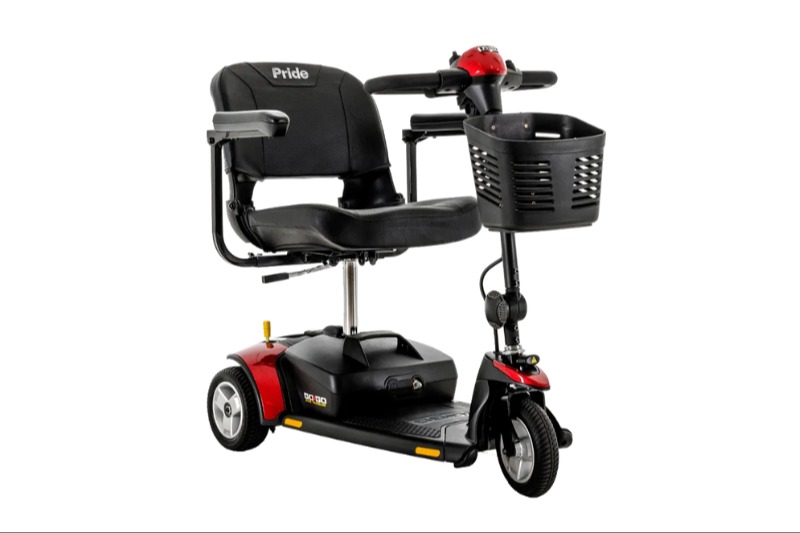
Overview of rental options
Healthcare facilities often seek flexible equipment strategies to manage costs and keep services up to date. A well chosen rental plan allows access to essential devices without heavy upfront capital. Administrators should assess inventory turnover, maintenance responsibilities, and service level agreements when comparing providers. Clear medical device rental expectations about delivery timelines, training, and ongoing support can prevent disruptions to patient care. A practical approach focuses on devices that are used intermittently or for trial periods, enabling teams to evaluate performance before committing to purchase.
Assessing utilisation and needs
To align rental choices with clinical needs, start by mapping typical patient flows and case mix. Identify devices that are in high demand during peak seasons or in elective procedures. Estimating utilisation helps avoid under or over provisioning and guides negotiating terms such as quantity, replacement guarantees, and end-of-term options. Including user feedback from clinicians early in the process ensures that the equipment will be comfortable to operate and compatible with existing workflows.
Cost management and risk mitigation
Cost considerations extend beyond the daily rental rate. Total cost of ownership includes maintenance, calibration, and potential downtime. A transparent agreement should spell out responsibilities for servicing, parts replacement, and recalls. Facilities should compare options for bundled maintenance, guaranteed uptime, and technician support. In some cases, hybrid models that combine short term rentals with future purchasing rights offer the best balance between flexibility and financial predictability.
Choosing a reliable partner
Selecting the right supplier is critical to patient safety and operational continuity. Prioritise vendors with robust quality management, transparent asset tracking, and responsive customer service. Ask for references and review performance metrics such as on-time delivery, setup accuracy, and post-implementation training. A dependable partner will support clinical needs during transitions and provide clear documentation for audits and regulatory compliance.
Conclusion
When considering options for medical device rental, organisations benefit from a structured approach that weighs clinical use, financial impact, and supplier reliability. Establish clear criteria for equipment suitability, service levels, and termination terms, and involve clinical users in the decision process. Visit medical equipment solutions for more insights and discussion about how facilities can optimise their equipment strategy without compromising care.