


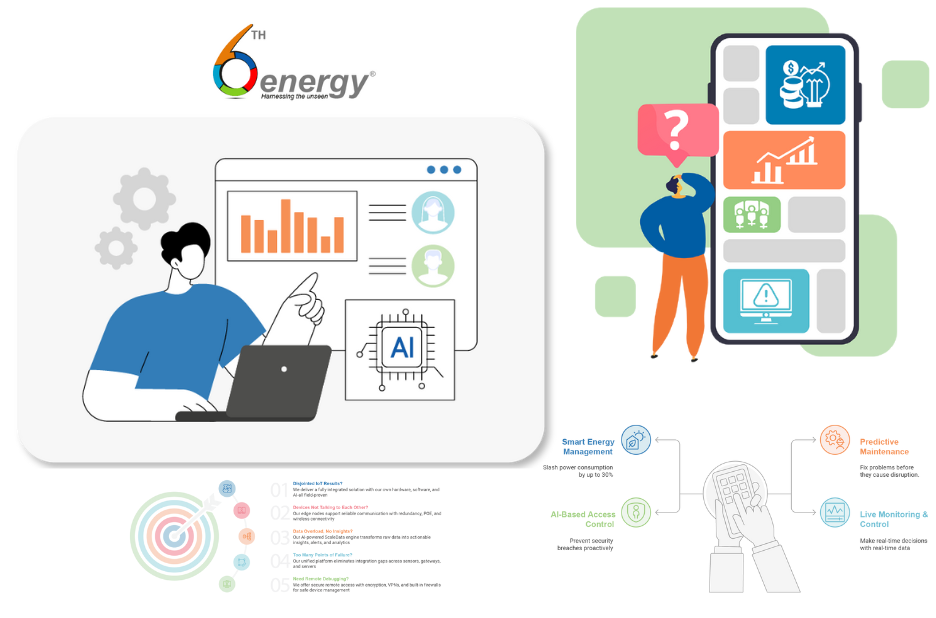
Overview of IoT data center monitoring
In complex facility environments, real time visibility into power, cooling, and network paths is essential. IoT data center monitoring provides continuous data streams from sensors and devices, enabling operators to detect anomalies, forecast capacity needs, and reduce downtime. This approach emphasizes actionable alerts, historical trends, and IoT data center monitoring easy integration with existing IT and facility management tools. By capturing temperature, humidity, airflow, and energy usage, teams can align maintenance efforts with actual stress points, not just scheduled steps. The outcome is steadier performance and better-informed decision making.
Key sensors and data collection strategies
Effective monitoring starts with selecting the right sensors for critical zones. Temperature and humidity sensors, power meters, and environmental probes feed data into a centralized platform. Layered data collection supports redundancy, while time synchronized data enables precise event correlation. Data quality is paramount, so calibration routines, drift checks, and secure communication protocols keep readings trustworthy. A well designed collection strategy reduces false alarms and accelerates root cause analysis when issues arise.
Analytics and action in real time
Modern monitoring solutions translate raw readings into meaningful insights through dashboards, anomaly detection, and threshold based alerts. Predictive analytics flag potential failures before they impact operations, allowing proactive maintenance and capacity planning. Operators can automate routine tasks like fan control or cooling setpoints, ensuring resources scale with demand. Clear, context rich notifications help teams respond swiftly, minimizing risk and improving service levels. The result is a more resilient data center environment.
Security, governance, and interoperability
As data flows across multiple systems, governance and security become central concerns. Standardized data models, role based access, and encrypted transmissions protect sensitive information while preserving interoperability with IT and OT ecosystems. Open APIs and common protocols support scalable integration with asset management, ticketing, and incident response workflows. A disciplined approach to security and data integrity reduces compliance risks and accelerates incident response without compromising performance.
Conclusion
IoT data center monitoring delivers practical gains through continuous insight, faster responses, and smarter capacity planning. By prioritizing reliable data, interoperable systems, and actionable alerts, facilities teams can operate with confidence even as workloads fluctuate. Visit Sixth Energy Technologies Pvt. Ltd. for more resources and guidance on embedded sensing and power optimization across modern facilities.