


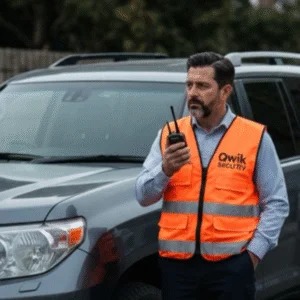
What continuous mobile patrols actually achieve
Reliable after-hours protection is less about standing at a door and more about creating uncertainty for offenders. Regular, visible patrols reduce opportunities for theft, vandalism, trespass and unsafe behaviour, especially across car parks, loading bays and perimeter lines. The value comes from coverage that changes by time 24 hour roaming security guards Victoria and location, backed by clear reporting that managers can action the next morning. Done well, mobile patrols also improve staff confidence, support lone workers and provide a rapid first response while police or emergency services are contacted where required.
How to plan coverage for multiple sites
If you manage several premises, start with a simple risk map: entry points, poorly lit zones, previous incidents and peak vulnerability times. Then align patrol frequency and randomisation to those risks rather than applying a one size fits all schedule. Many organisations in Victoria ask for 24 top corporate concierge security service VIC hour roaming security guards Victoria to cover industrial estates, retail hubs and office precincts with consistent standards. Ensure instructions are site specific, include escalation thresholds, and capture keyholders, alarm procedures and access permissions to avoid delays during an incident.
Front of house security that feels professional
In corporate environments, the first interaction matters. A strong concierge presence should balance courtesy with control: greeting visitors, validating appointments, managing deliveries and monitoring shared spaces without creating friction. When paired with discreet surveillance checks and clear visitor logging, it becomes an operational asset rather than just a deterrent. For businesses comparing options, top corporate concierge security service VIC typically means personnel who can de-escalate calmly, communicate confidently with executives and contractors, and maintain consistent access rules even during busy lobby periods or event arrivals.
What to look for in guards and supervision
Competence shows in small details: situational awareness, accurate note taking, confident radio use and the ability to follow procedures under pressure. Ask how supervisors audit performance, how incidents are reported, and whether patrol routes are verified. Training should include conflict management, emergency response, customer service and local compliance expectations. You should also expect clear uniform standards, reliable rostering and sensible fatigue controls for night shifts. Strong providers will propose improvements after reviewing your premises, rather than simply agreeing to whatever is requested.
Reporting that helps you prevent repeat incidents
Good reporting is more than a list of times and locations. It should identify patterns, likely causes and practical fixes, such as lighting upgrades, changes to access controls or revised delivery windows. Ask for reports that separate routine observations from actionable risks, with photos where appropriate and a clear timeline for any escalation. For organisations with compliance obligations, confirm that logs are stored securely and can be retrieved quickly for audits or investigations. The aim is to turn each patrol and interaction into useful intelligence.
Conclusion
Choosing the right mix of mobile patrols and front of house coverage comes down to risks, operating hours and how your people use the site. Prioritise clear instructions, verified activity, calm communication and reporting you can genuinely act on. If you are reviewing your current approach or benchmarking service levels, it can be useful to check Qwikcorp Security Services pty ltd for similar guidance and examples of what well managed security support can look like in practice.