


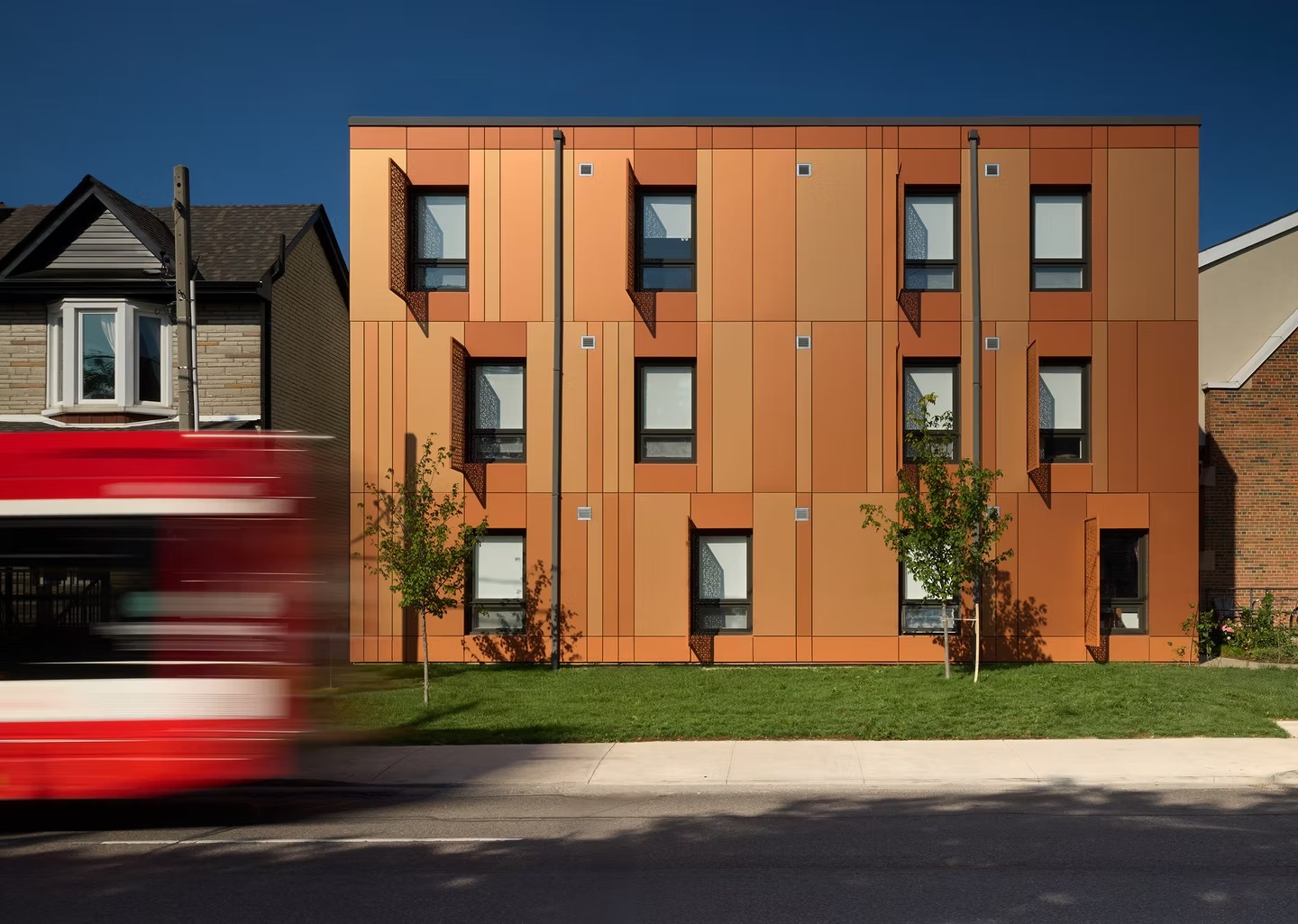
Understanding the value of visuals
Photography for designers and architects is more than just pretty pictures; it is a storytelling tool that communicates scale, materiality and atmosphere. A thoughtful shoot helps clients visualise how a project will feel and function in real life, from daylight quality to spatial rhythm. Start by clarifying the Photography for designers and architects brief with your photographer, outlining key spaces, angles and the mood you wish to convey. The aim is consistency across portfolios, presentations and social media, so plan lighting setups and shot lists that reveal the project’s intent without overselling details.
Planning the shoot for precision
Successful photography for designers and architects hinges on meticulous planning. Prepare a floor plan, schedule, and a list of focal points for each area. Consider the time of day for natural light, and coordinate with site conditions to avoid weather surprises. Communicate material textures and finishes clearly so the photographer can choose appropriate lenses and settings. A pre-production check helps ensure each frame aligns with the architectural narrative and brand aesthetic.
Choosing gear that serves the design story
Selecting cameras, lenses and lighting that support factual representation is crucial. Wide-angle lenses capture expansive interiors with clarity, while tilt-shift options help preserve correct perspective on architectural features. Tripods stabilise long exposures in low light, and bracketing can assist in high-contrast spaces. For exteriors, graduated filters or post-processing contrasts may enhance depth without distorting the form. The goal is to mirror reality while emphasising design intent.
Collaborating with clients and stakeholders
Effective collaboration translates into authentic imagery. Involve clients early, review mood boards, and establish a shared language for describing spaces. Narrative captions can pair with photos to explain design decisions, fabric choices, and environmental considerations. Regular check-ins during the shoot keep the project aligned with the brief and prevent last‑minute changes. A calm, professional approach helps everyone present the work confidently to prospective buyers or commissioning bodies.
Conclusion
Well-executed photography for designers and architects reinforces professional credibility and supports winning proposals. By planning carefully, selecting the right gear, and maintaining clear communication, you can produce images that truly reflect a project’s character. Visit LIRON WEISSMAN for more insights on photography workflows and visual storytelling in architecture and design.