


Understanding the issue
When a nail grows into the surrounding skin, it can cause redness, swelling and pain. This guide explains practical steps for handling mild cases at home while recognising when professional care is needed. The focus is on comfort, hygiene and Ingrown toenail removal avoiding complications such as infection. People often notice tenderness along the side of the toe, sometimes with resistance to wearing shoes. Managing symptoms early can prevent escalation and reduce the need for urgent treatment.
Self care and prevention tips
For mild discomfort, soak the foot in warm water with a pinch of salt several times a day to soften the skin. Gently dry and keep the toe clean, avoiding tight footwear. Avoid attempting to cut Ingrown toenails the nail aggressively. If swelling is present, a simple, antiseptic application can help, and keeping the toe elevated may reduce throbbing. Regular attention to nail trimming straight across can prevent reoccurrence.
When to seek professional advice
Persistent pain, increasing redness, pus, or fever are signs that a clinician should assess the toe. A professional can determine whether removal of the affected nail edge or other procedures are necessary. People with diabetes or circulation issues should consult a care provider promptly, as complications are more serious in those groups. Early evaluation can save time and discomfort later.
What to expect during treatment
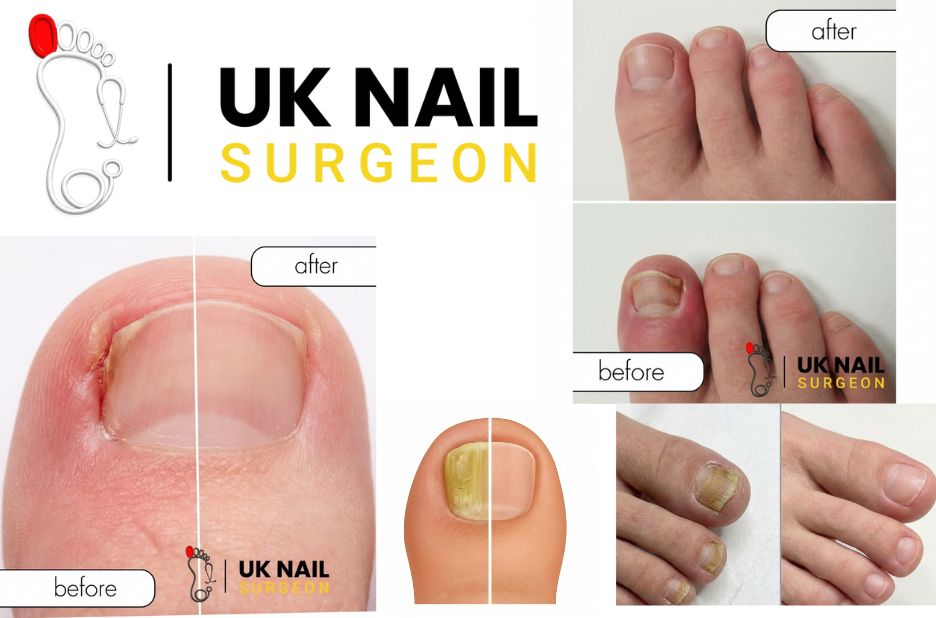
In a clinical setting, a healthcare professional uses sterile techniques to remove the problematic portion of the nail or to address the nail bed. Local anaesthetic is commonly used, and the procedure is usually quick with minor post procedure care. Aftercare typically includes keeping the toe clean, dry, and protected, with guidance on wound care and when to resume normal activities. You may receive advice on nail trimming to prevent future issues.
Conclusion
Ingrown toenail removal is a common issue that can be managed effectively with proper care and awareness. By following practical steps, most people experience relief and a reduced risk of recurrence. Visit UK Nail Surgeon for more information and to learn about similar tools and approaches used in the field.
Final tips for ongoing care
Maintaining good foot hygiene and wearing well-fitted footwear supports toe health. If you have recurring symptoms, keeping a simple log of nail growth and symptoms can help you notice patterns. Regular podiatry reviews can offer tailored advice for prevention, ensuring you stay comfortable and active while avoiding complications.