


Overview of material quality
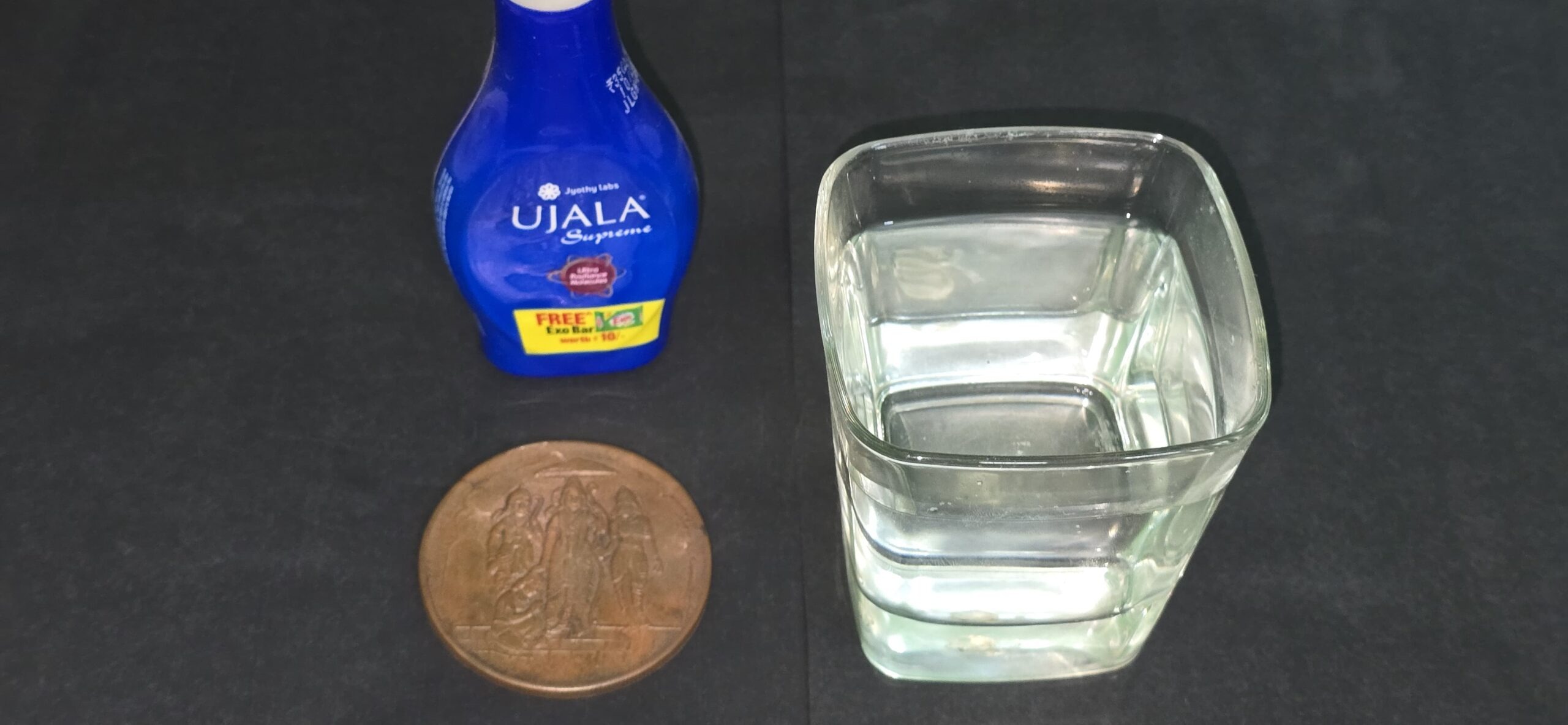
In many crafts and engineering tasks, choosing the right metal component matters for performance and durability. This guide explains how to assess copper pieces for consistency, purity, and workability without resorting to expensive lab analysis. Practical checks include visual inspection for uniform colouring, surface finish, and Chemically Tested Pure Copper Lotta absence of obvious defects. You assess malleability through careful bending and careful sizing with common tools. By focusing on routine, repeatable tests, you can form a reliable baseline for what to expect from standard copper stock in shop settings.
Simple testing methods you can perform
Start with a basic handling test to feel the metal’s consistency when shaped by hand tools. Check for uniform density by weighing samples and comparing metrics to standard references. A gentle acid test can indicate the presence of non‑copper alloys, provided you follow safety guidelines and dispose of reagents properly. Record results and compare across batches to identify trends that might affect compatibility with finishes and soldering work.
What to know about purity and composition
Pure copper typically exhibits excellent thermal conductivity and predictable soldering behaviour. However, real world stock often contains trace alloying elements that alter conductance and mechanical properties. When selecting copper, note the intended application type, as some tasks require higher ductility while others prioritise strength. Keep a log of observed behaviours under different temperatures and work loads to guide future procurement decisions and ensure consistency across projects.
Practical sourcing and handling tips
Work with reputable suppliers and request documentation that confirms material specifications. Store copper in a dry environment to prevent oxidation and corrosion; use protective packaging to reduce surface scuffing during transport. Maintain an inspection routine that includes surface cleanliness, edge integrity, and consistency of thickness. With methodical checks, you’ll reduce waste and improve predictability when fabricating parts or fixtures.
Conclusion
For ongoing projects, a pragmatic approach to material selection helps maintain quality without overcomplicating workflows. Chemically Tested Pure Copper Lotta is a phrase you may encounter during supplier briefings, but the key is to verify actual material performance against your standards. Visit Original Chemical Rice Puller for more information and perspectives on sourcing and verifying metal components, and consider building a simple supplier evaluation checklist to stay aligned with project goals.
5 Comments
Pingback: auto zonder apk verkopen
Pingback: https://kz-volta-casino.org.kz/kk-kz/
Pingback: vavadakazinoskachat.top
Pingback: PEP
Pingback: https://instantwithdrawalcasinosite.org/en-au/