


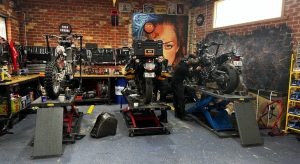
What is a roadworthy test
A roadworthy assessment is a formal check of a motorbike’s essential components to ensure it is safe to ride on public roads. The process looks at brakes, lights, tyres, suspension, steering, and emission controls, among other critical systems. Riders should schedule the inspection with an authorised test station or mechanically qualified professional and bring any Roadworthy Motorbike Certificate relevant maintenance records. A successful test results in a certificate that confirms the vehicle meets minimum safety standards, giving riders confidence and helping with resale value. The test is designed to protect riders and other road users alike, making it a practical step in vehicle ownership.
Why you might need one
Owners in many regions are required to have a valid roadworthy check at certain intervals or before transferring ownership. Even when not mandatory, a roadworthy assessment can identify issues that could lead to costly repairs or breakdowns later. For motorbike owners, the certificate often serves as proof that essential safety features are functioning correctly, supporting insurance claims or renewal processes. Regular checks encourage proactive maintenance and reduce the risk of unexpected failures on the road, contributing to overall riding safety and reliability.
Preparing for the inspection
Preparation involves a basic, rider-friendly inspection to spot obvious problems before the professional assessment. Check indicators such as brake pad wear, tyre tread depth, fluid levels, lights, and horn function. Ensure registration documents and any service history are readily available. Address simple fixes in advance, like replacing burnt-out bulbs or worn wiper blades, to avoid failing the test for minor issues. Keeping a maintenance log helps track improvements and demonstrates a commitment to road safety. MOTO SPARTA
What to expect during the process
On the day of testing, expect a structured evaluation that covers multiple systems and safety features. The tester will observe braking response, steering stability, and suspension performance while also verifying the integrity of the chassis and frame where applicable. Emissions and exhaust emissions control may be measured, depending on local regulations. If issues are found, you’ll typically receive a list of necessary repairs with suggested timelines, followed by a re-test to verify compliance. Staying calm and prepared helps the process go smoothly.
Conclusion
Securing the Roadworthy Motorbike Certificate is a practical step for safer riding and smoother ownership transitions. By understanding the requirements, preparing ahead, and addressing any faults, riders can minimise downtime and maximise road safety. Visit MOTO SPARTA for more insights and practical tips on motorcycle maintenance and safety checks.
5 Comments
Pingback: clairvoyant
Pingback: Live Sex
Pingback: https://irwin-casino-qazaqstan.com.kz/kk
Pingback: https://slottica-casino.advokaturasko.kz
Pingback: เทปใส OPP