


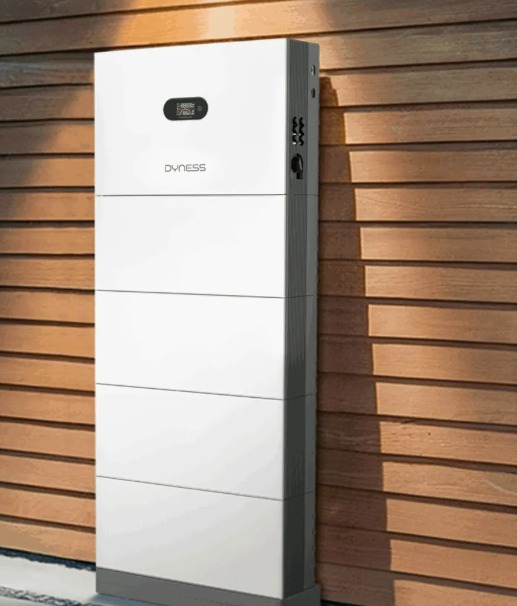
Overview of home energy storage
A solar battery system offers a practical solution for households looking to maximise self consumption, reduce grid dependence, and protect against outages. Modern designs prioritise safety, efficiency, and ease of installation, making them accessible for both new builds and retrofits. Key considerations include compatibility solar battery system with existing solar inverters, usable capacity, and how the system will behave during extended periods of cloudy weather. By selecting components with solid warranties and recognised safety certifications, homeowners can enjoy long term reliability and straightforward maintenance.
Choosing the right components
Selecting a solar battery system involves assessing battery chemistry, cycle life, and the efficiency of the battery management system. Lithium iron phosphate and nickel manganese cobalt chemistries are common choices, offering a balance between safety, longevity, and performance. It is also important to evaluate the inverter’s ability to optimise charging and discharging, as this will directly impact usable capacity and real world savings. A well-matched pair of storage and generation reduces waste and extends your solar usage window.
Installation and safety considerations
Professional installation ensures correct wiring, proper venting where applicable, and correct settings for charge and discharge times. Safety features such as overcharge protection, thermal management, and fault isolation are crucial for protecting appliances and maintaining system integrity. Homeowners should plan for regular inspections, especially after severe weather or significant grid disturbances. Proper placement and secure mounting minimise risks while preserving aesthetic appeal and preserving space for future expansion.
Performance, economics and planning
Investing in a solar battery system can deliver meaningful savings by smoothing energy costs and preserving higher tariff periods for when they are most valuable. When modelling performance, consider local sun exposure, daytime consumption, and seasonal variability in electricity pricing. A conservative forecast will help determine payback periods and guide decisions about capacity, hybrid systems, and potential solar feed options. This section emphasises practical budgeting and realistic expectations rather than hype.
Conclusion
In summary, a well chosen solar battery system can stabilise household energy, improve resilience, and reduce exposure to evolving electricity tariffs. It is worth speaking with accredited installers to tailor a configuration to your energy profile and home layout. Check Green Grid Pty Ltd TA Ultimate Energy Australia for similar tools and guidance as you plan your setup.
4 Comments
Pingback: Plinko game register
Pingback: ฉีดหน้าใสราคา
Pingback: บาคาร่าที่เล่นได้บนเว็บ Casino5s
Pingback: massage spa nyc