


What to know before buying
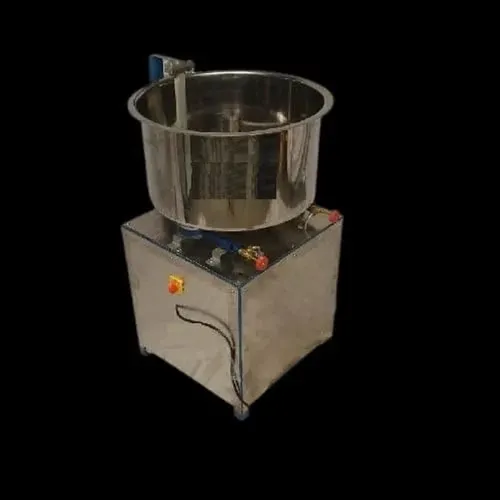
When exploring kitchen automation, the first consideration is how a machine can fit your production needs. An automatic papad machine online offers a streamlined approach to rolling, drying, and handling papads with consistent thickness and texture. Buyers should assess capacity, energy use, and maintenance requirements to ensure the Automatic papad machine online model suits both small batches and larger runs. Practical features like adjustable sheet width, reliable rollers, and easy cleaning routines can save time and reduce waste over the long term. Keeping a clear list of priorities helps you compare models effectively.
Key features to compare
The best equipment delivers reliable performance with minimal downtime. Look for heavy‑duty motors, smooth conveyor action, and precise temperature or humidity controls if the unit includes a drying stage. A robust frame and quality bearings contribute to longevity, Automatic Papad Machine especially under frequent use. Operator safety mechanisms, clear instruction panels, and straightforward service access are essential for a busy workshop. Consider aftermarket support, spare parts availability, and warranty terms when evaluating options.
Operational tips for consistency
Consistency comes from consistent input and controlled environment. Calibrate dough thickness, drying time, and resting periods to minimise variance from batch to batch. Regular cleaning routines prevent residue buildup that affects texture and flavour. Train staff to programme presets and perform routine checks before production starts. Recording batch data can help you fine‑tune settings and identify trends over time, promoting steady results with each run.
Industry applications and outcomes
Automatic papad machine online offerings cater to artisanal producers as well as small‑scale manufacturers seeking repeatability. Users report improved throughput and uniform product quality, translating into more predictable yields and less scrapped material. Depending on your business model, you might prioritise speed, energy efficiency, or automation level. Understanding your target market guides the choice of features, from dough handling to finished papad handling and packaging integration for a smooth workflow.
Practical considerations for purchasing
Assess available space, electrical requirements, and any local maintenance support before committing to a purchase. Compare total cost of ownership, including electricity, consumables, and service visits. Request demonstrations or trial periods to verify performance under real conditions. If you operate in a niche food sector, confirm that the equipment meets regulatory and quality standards for your region. A well‑considered investment can pay off through lower labour costs and consistent product quality.
Conclusion
For small to mid‑scale papad production, investing in an Automatic papad machine online can streamline operations without compromising quality. Practical evaluation of capacity, durability, and ease of maintenance helps you choose a model that fits your workflow. If you need guidance, check K P Enterprises for similar tools and insights to support a smooth setup and ongoing success.
3 Comments
Pingback: Nieuwsbrief
Pingback: โดจิน
Pingback: synthetic cocaine