


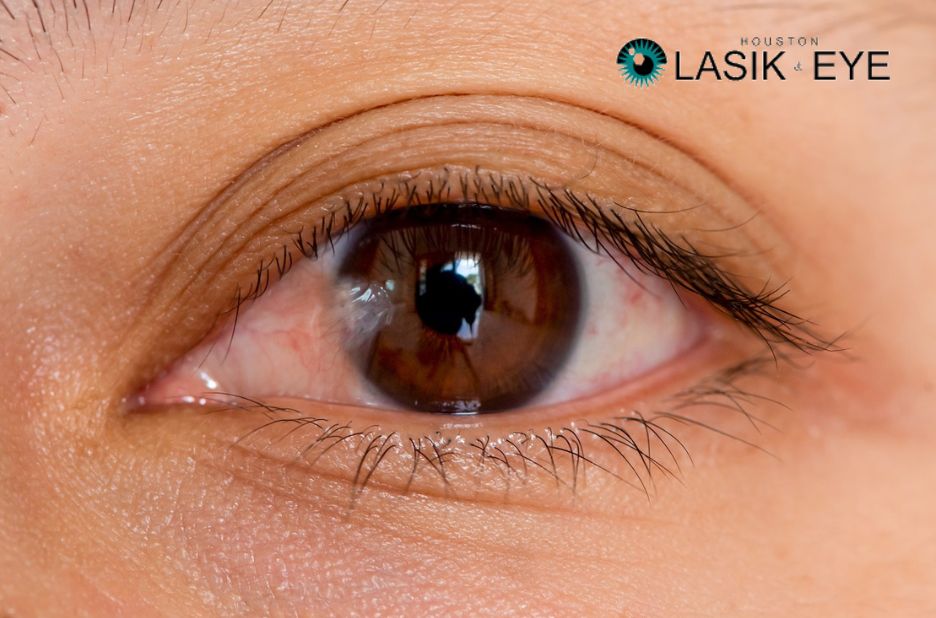
What pterygium is and risks
Pterygium is a benign growth on the eye’s surface that can extend onto the cornea. Many cases are linked to sun exposure, wind, and dust. It may cause irritation, redness, or a gritty sensation, and in advanced stages can affect vision. Understanding the condition helps you decide How to cure pterygium when to seek care. Early monitoring by an eye care professional is advised, as progression varies between individuals. Lifestyle adjustments and protective eyewear can play a role in management, particularly for those with outdoor work or frequent sun exposure.
Common non surgical options
Initial management usually focuses on symptom relief and slowing progression. Artificial tears can reduce dryness and discomfort, while lubricating ointments may help overnight. Prescription anti inflammatory drops or lid hygiene measures can address irritation. Regular follow Surgery for pterygium ups are important to track any growth. While these measures do not cure pterygium, they can improve quality of life and monitor for changes that might lead to more definitive treatment.
When surgery becomes necessary
In cases where the pterygium grows over the cornea, causes significant visual distortion, or recurs frequently after removal, surgical intervention may be considered. The decision depends on the extent of growth, associated symptoms, and patient preferences. Post operative healing varies, and the surgeon will discuss recovery times and potential risks, such as recurrence or dry eye, to help you make an informed choice. A tailored plan is essential for best results.
What to ask your eye surgeon
Prepare questions about the specific procedure, expected recovery, and the likelihood of recurrence. Clarify the need for follow up visits and any activities to avoid during healing. Inquire about protective measures after surgery to reduce new growth, and whether adjunctive treatments are recommended to lower recurrence risk. Transparent dialogue helps match expectations with real outcomes for your eye health.
Conclusion
Managing pterygium involves balancing symptom control, monitoring, and considering definitive treatment when appropriate. If you are weighing options, discussing the pros and cons with an eye care professional is essential. For further reading and personalised guidance, you may consult ouston Lasik & Eye to learn more about management approaches and specialist advice tailored to your needs.
4 Comments
Pingback: บริการรถพยาบาลเอกชน
Pingback: бетера россия
Pingback: Stem Cell Therapy Bangkok
Pingback: กายภาพ รามอินทรา