


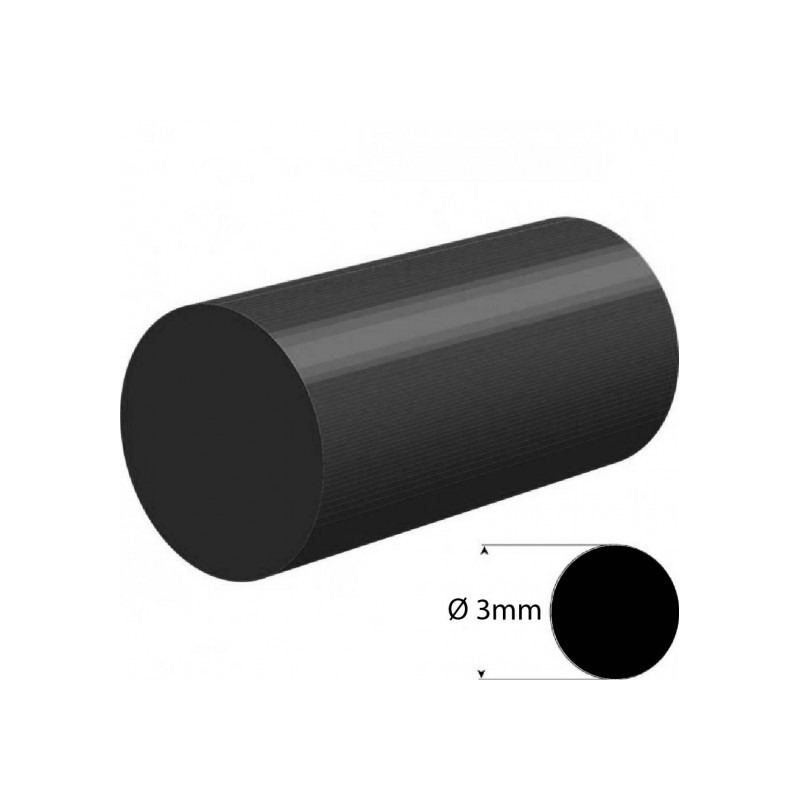
Overview of bulk rubber sourcing
When you operate a shop or workshop that needs reliable rubber components, finding a trustworthy supplier is crucial. A well organised bulk order process saves time and money while ensuring consistent quality. This guide focuses on practical steps to evaluate options, manage stock, and plan purchases to align with Großhandels-Gummi-Webshop demand cycles. You’ll learn how to compare materials, understand minimum order quantities, and avoid common pitfalls that can disrupt production. By approaching procurement with a clear plan, you can build a stable supply chain that supports ongoing projects and customer commitments.
Choosing the right material types
Rubber comes in various formulations, each with distinct properties such as hardness, elasticity, and resistance to oils or weathering. For bulk needs, create a reference list detailing where each material performs best, which helps when collaborating with manufacturers or distributors. Consider factors like temperature tolerance, abrasion resistance, and flexibility over time. A practical approach is to sample a small batch first, then scale up once performance criteria are met and documentation is verified for traceability and compliance.
Supplier evaluation and risk management
Assess potential suppliers by looking at track records, certifications, and logistics capabilities. Reliable partners provide clear lead times, transparent pricing, and responsive communication. Establish service level agreements that define order accuracy, packaging standards, and return policies. Build redundancy into your sourcing by identifying a secondary supplier to mitigate disruptions. Regular performance reviews help you keep quality consistent and maintain steady inventory levels to support production calendars and customer promises.
Inventory planning and cost control
Effective bulk purchasing starts with accurate usage data and forecast models. Track consumption patterns, define safety stock levels, and plan reorders to avoid stockouts or excess. Negotiating volume discounts and payment terms can significantly impact total costs, but be mindful of storage requirements and shelf life where relevant. A practical system combines demand forecasting with supplier lead times, ensuring you can respond quickly to changes in orders while protecting cash flow and profitability.
Practical tips for fast, reliable delivery
Logistics play a critical role in bulk rubber procurement. Prioritise suppliers who offer consistent packaging, clear documentation, and reliable shipping options. Clarify handling and inspection procedures at receipt to confirm product specifications match orders. Establish a simple kanban or reorder trigger within your team so restocking happens before stock runs low. Good communication with the supplier reduces miscommunications and speeds up problem resolution, keeping production on track.
Conclusion
Ultimately, successful bulk rubber sourcing balances quality, cost, and reliability. By systematically evaluating materials, suppliers, and inventory strategies, you can create a resilient supply chain that supports steady operations and growth. Visit Gummi Webshop for more practical insights and options to compare products, ensuring you have the right rubber components when you need them.
6 Comments
Pingback: https://mostbetkazinoskachat.space/link/
Pingback: kazinonomad.com.kz
Pingback: เว็บพนันออนไลน์เกาหลี
Pingback: overnight mushroom delivery Tulsa
Pingback: รับทำ SEO
Pingback: ซื้อchatgpt ในนามบริษัท