


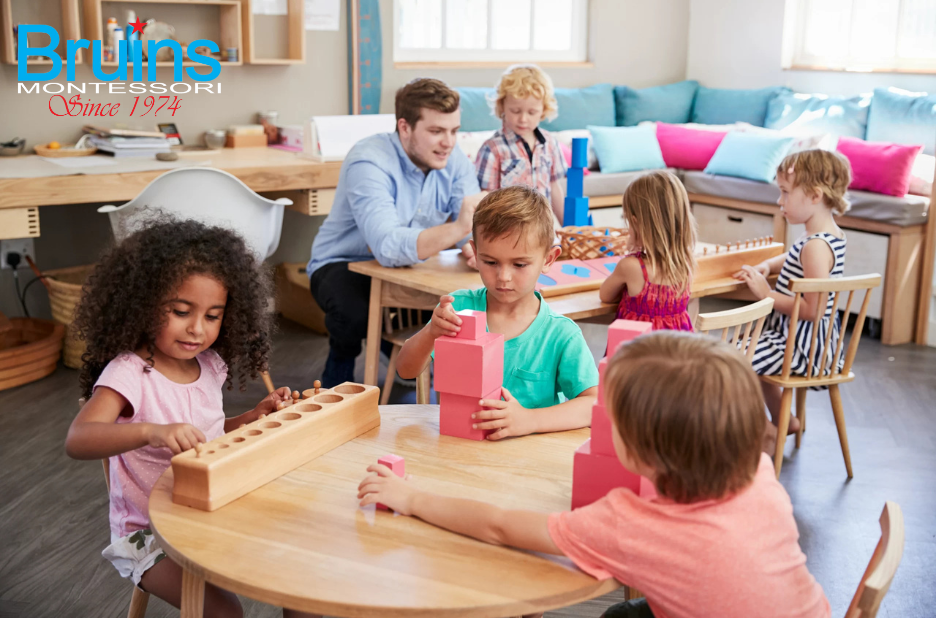
Overview of Montessori materials
Parents and educators explore thoughtful, well-made tools designed to support early literacy and conceptual understanding. The right Montessori language material USA options emphasize hands on manipulation, precise language cues, and structured sequence that respects a child’s natural pace. In many classrooms and homes across the country, teachers integrate Montessori language material USA sensory letters, moveable alphabet activities, and sound games to reinforce phonemic awareness without overwhelming young learners. This approach helps children connect spoken language with written symbols, laying a solid foundation for reading and writing while keeping lessons engaging and accessible.
Why geography tools matter in early learning
A robust set of Montessori geography products USA offerings helps children understand space, places, and relationships. By naming continents, labeling landforms, and exploring maps through tactile materials, learners develop mental models that translate into more complex thinking later. The materials Montessori geography products USA invite curiosity, encourage discovery, and support cross-curricular connections—linking geography with science, history, and cultural studies. Thoughtful geography tools bring global awareness into the classroom, turning abstract concepts into tangible experiences through exploration and play.
Choosing high quality Montessori language material USA
Quality materials withstand daily use and provide clear, unambiguous instruction. Look for components that are durable, visually uncluttered, and sized for small hands. Sequential activities that progress from concrete sounds to letter formation help students internalize phonics patterns without frustration. Practical guidance from instructors or parents can streamline selection by focusing on materials that align with developmental milestones and localized curriculum goals, ensuring consistency across both school and home environments.
Integrating geography tools into daily routines
Effective use of Montessori geography products USA involves regular, short activities that build familiarity with maps, globes, and spatial vocabulary. Create routines such as “map walks,” where learners point to named continents on a world map, or hands on puzzle work that assembles landforms. Pair these tasks with storytelling and real world explorations, like planning a hypothetical trip or identifying familiar places from home or school environments. Consistency and repetition deepen understanding while keeping sessions playful and meaningful.
Practical tips for educators and families
For best results, organize materials by theme, maintain a clean storage system, and offer demonstrations that model expected interactions with the tools. When introducing new language materials, provide clear cues and gentle prompts that guide independent exploration. For geography resources, supplement tallies or checklists that track progress and curiosity. A balanced mix of independent work, small group discussions, and guided demonstrations helps learners stay engaged and steadily build confidence across language and geographic inquiry.
Conclusion
In classrooms and homes across the country, thoughtful Montessori language material USA and Montessori geography products USA support independent exploration and structured skill development. By selecting durable, age-appropriate tools and weaving them into daily routines, families and educators can foster confident language use and geographic reasoning. Visit bruinsmontessori.com for more ideas and practical recommendations as you plan your next set of materials for curious learners.
4 Comments
Pingback: veneer
Pingback: สล็อตเงินวอน
Pingback: OPP Tape
Pingback: หวย24