


Introduction to rugged power components
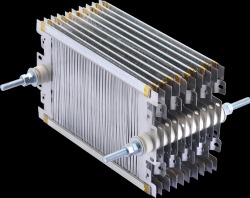
Industrial electrical systems demand reliable, durable resistive elements that can withstand harsh operating conditions. The right choice supports consistent performance, protects downstream equipment, and contributes to safe, efficient braking and current management. Advanced resistor technologies are designed to handle high surge loads, High Power Punched Grid Resistors resistive heat, and mechanical stresses while maintaining electrical stability across duty cycles. This section outlines the role of high power devices within braking and control networks and why material selection matters for long term reliability.
Material options for robust performance
A range of housing and construction options exist to meet different thermal and mechanical requirements. Aluminium provides a lightweight, thermally conductive shell that helps dissipate heat quickly, while metal clad configurations enhance protection and reliability in vibration-prone environments. Selecting Aluminium Housed Metal Clad Braking Resistors the right enclosure and conductor connections is crucial to sustain electrical performance without compromising service life in industrial settings. The goal is evident: maximise thermal resilience and ensure predictable resistance under varying loads.
Performance characteristics and selection criteria
Parameters such as resistance value, power rating, and impedance behaviour guide the integration of components into braking and power control paths. High Power Punched Grid Resistors are engineered with grid patterns that optimise heat distribution and current handling. Designers must assess ambient temperature, enclosure cooling, and duty cycle to avoid overheating and ensure a stable response during transient events. Precise tolerance data and fail safe features further support dependable operation.
Installation considerations and maintenance tips
Proper mounting, ventilation, and electrical clearance are essential for sustained performance. For aluminium housed variants, attention to mounting hardware and thermal paths prevents hotspots. Regular inspection of terminals and resistive elements helps detect signs of wear or degradation before impacting system integrity. Routine checks on insulation, cleanliness, and connector security form the basis of a reliable preventive maintenance program to extend service life and reduce unplanned downtime.
Conclusion
In demanding power control tasks, selecting components with proven thermal management and mechanical resilience matters. For those evaluating braking and current shaping solutions, the combination of high power handling and robust construction often yields the best balance of reliability and efficiency. Onics power resistor
2 Comments
Pingback: รถเช่าอุบล
Pingback: เบต้าออยล์