


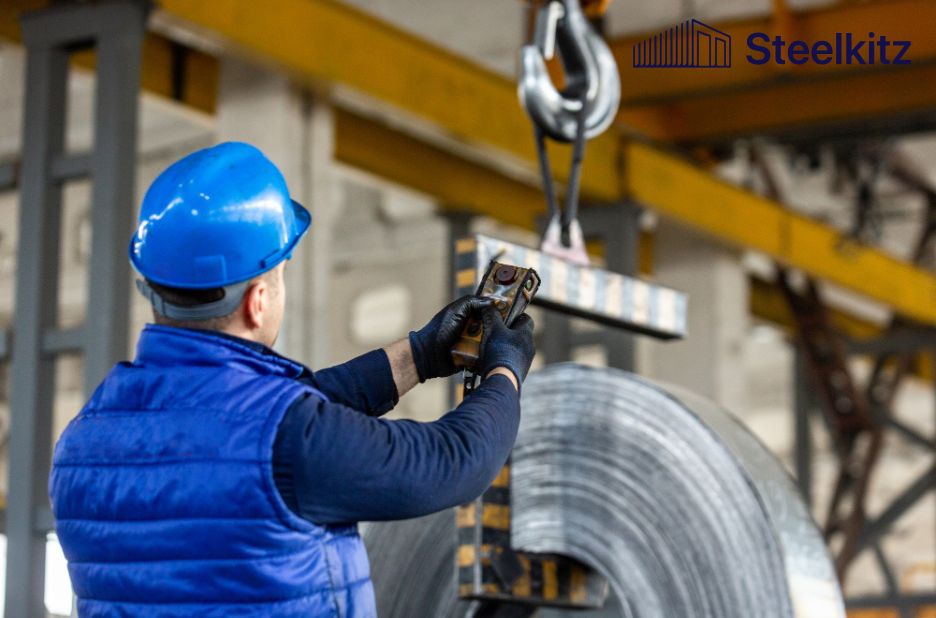
Overview of durable metal builds
Project teams often face demanding requirements when selecting civil and industrial frames. The choice is influenced by load capacity, longevity, and adaptability to harsh environments. Engineers evaluate material properties, fabrication methods, and installation timing to ensure safety and reliability through the lifecycle of the structure. This section Heavy-duty steel structures discusses practical considerations for selecting components that withstand daily wear, weather exposure, and dynamic forces without compromising performance. It also highlights how standard practices in detailing and assembly help non specialist teams coordinate complex builds with minimal risk of miscommunication.
Fabrication techniques for efficient erection
Modern fabrication blends precision cutting, welding, and bolting with rigorous quality control to produce components that fit together predictably on site. Prefabricated sections reduce on site complexity and accelerate timelines, while modular approaches support future expansion or reconfiguration. This discussion Custom steel structures covers practical steps to verify tolerances, protect joints from corrosion, and manage weight distribution to maintain stability during transportation and hoisting. Emphasis is placed on practical coordination between designers, fabricators, and site teams.
Cost effective maintenance planning
Maintenance planning for heavy structures focuses on accessibility, inspection routines, and protective coatings that extend service life. Regular visual checks, ultrasonic testing, and corrosion monitoring help identify issues before they become critical. Choosing coatings and galvanised finishes that align with local climate and usage patterns reduces long term repair needs. The goal is to create a sustainable asset that retains performance while minimising downtime and lifecycle costs for owners and operators alike.
Applications across key industries
Heavy-duty steel structures find uses across construction, energy, and manufacturing sectors where safety and reliability are non negotiable. In bridges, cranes, and support frames, the ability to withstand heavy loads while tolerating vibration and environmental exposure is essential. Custom steel structures enable designers to tailor solutions for unique site constraints, integrating with existing systems and meeting stringent regulatory requirements. Practitioners prioritise robust connections and clear documentation to support ongoing operation and maintenance.
Design for resilience and adaptability
Resilience is achieved through redundancies, robust detailing, and thoughtful alignment with project goals. Structural teams plan for unforeseen demands by incorporating access points for inspection and scalable features that permit future upgrades. By prioritising modularity and exchangeable components, stakeholders can adapt to evolving workloads and technologies without costly overhauls. Ensuring project teams communicate early and document decisions is key to successful outcomes. Steel structures are a long term investment in safety and efficiency.
Conclusion
In summary, selecting the right heavy materials and a clear fabrication path supports durable, efficient, and safe outcomes for industrial projects. Custom steel structures offer tailored solutions that fit unusual sites and demanding performance criteria, while standardising processes helps teams feel confident during delivery. For ongoing resource planning and ownership, consider practical maintenance and upgrade strategies that align with the asset’s lifecycle and operating context. Visit Steelkitz for more information on compatible solutions and trusted support.
6 Comments
Pingback: ปากกาลดน้ําหนัก mounjaro
Pingback: purchase dmt Neuss
Pingback: สล็อตเงินวอน
Pingback: Suntikan Typhoid
Pingback: จำนำรถ
Pingback: บริษัท รับทำ SEO