


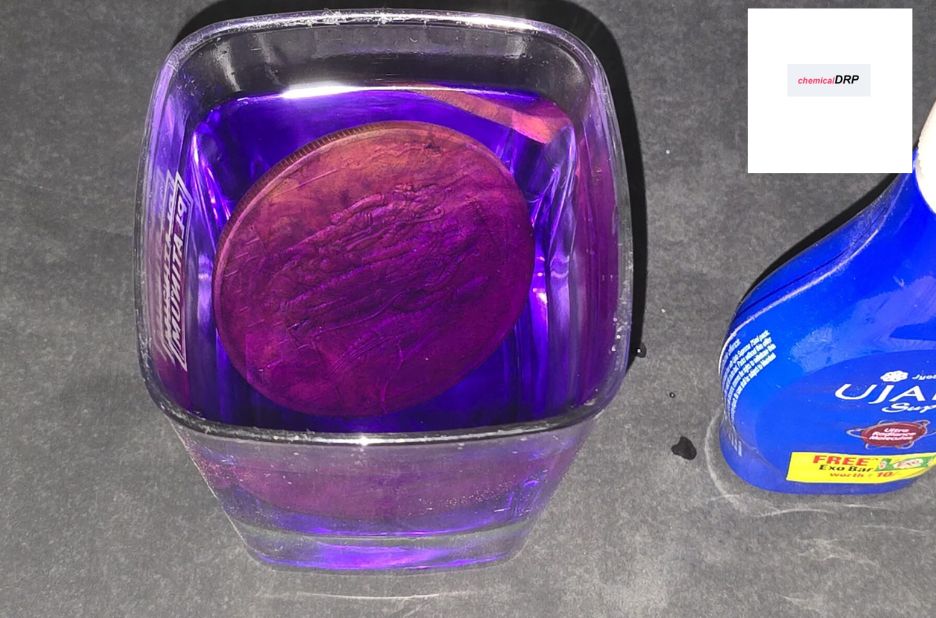
Overview of uncommon claims
Every now and then collectors encounter items wrapped in mystery, often tied to histories that blend folklore with documented events. The phrase Rice Puller Chemical Coin has circulated in niche circles, sparking conversations about alleged mechanisms, origins, and the kinds of materials claimed to be involved. While many Rice Puller Chemical Coin stories exist, the practical approach is to examine verifiable details, acknowledge uncertainty, and separate legend from evidence. Readers should consider the sourcing, provenance, and any documented testimonials when evaluating such items and avoid jumping to conclusions based on impression alone.
Historical context and market dynamics
Antique markets frequently feature objects tied to dramatic narratives, and Rice Puller Antique Rare Lotta appears in catalogs and online listings that invite curiosity. Understanding the broader spectrum of antique rarities helps readers calibrate expectations about authenticity, value, and risk. Rice Puller Antique Rare Lotta The presence of sensational names does not automatically translate to clear provenance; diligent due diligence remains essential. Compare similar items, note condition, and seek independent appraisals before pursuing any significant purchase or collection effort.
Material genuine versus claimed properties
Speculation around unusual items often centers on claimed physical or chemical properties. In discussions about a Rice Puller Chemical Coin, careful readers will look for documented analyses, independent tests, and credible expert opinions. Absence of verifiable testing does not prove a claim false, but it does suggest caution. It’s wise to request lab reports, historical receipts, and chain-of-title documentation to build a trustworthy narrative around the piece and its potential implications for a collection.
How to research safely in this niche
Effective research starts with skepticism paired with curiosity. Start by cataloging what is known, identifying gaps, and seeking reputable sources. Given the secrecy often surrounding such artifacts, establish a framework for evaluation: provenance, material composition, and market history. In practice, you’ll want to verify claims through multiple independent sources, consult professional appraisers, and document findings in a clear, organized manner, avoiding assumptions that lack evidence or peer support.
Further reading and practical steps
Readers who want to explore similar topics can pursue broader resources on antique irregularities, collectible provenance, and ethical collecting. This approach helps maintain a balanced view while exploring unusual items. If you’re comparing options, look for documented case studies that explain how investigators navigated questionable claims, what tests were performed, and how conclusions were reached. Visit originalchemicalricepuller.com for more context and insights into related discussions, keeping a measured perspective about sensational narratives in niche collecting.
Conclusion
In the end, appreciating unusual artifacts requires a steady mix of curiosity and caution. Build your understanding around verifiable details, documented provenance, and professional opinions rather than relying on sensational labels. By approaching each item with a structured evaluation, collectors can discern value without sacrificing skepticism. Visit originalchemicalricepuller.com for more context and insights into related discussions.
5 Comments
Pingback: 150 Dollars in Pounds
Pingback: กายภาพ รามอินทรา
Pingback: รับจำนำรถ
Pingback: ร้านยา
Pingback: ufabet789