


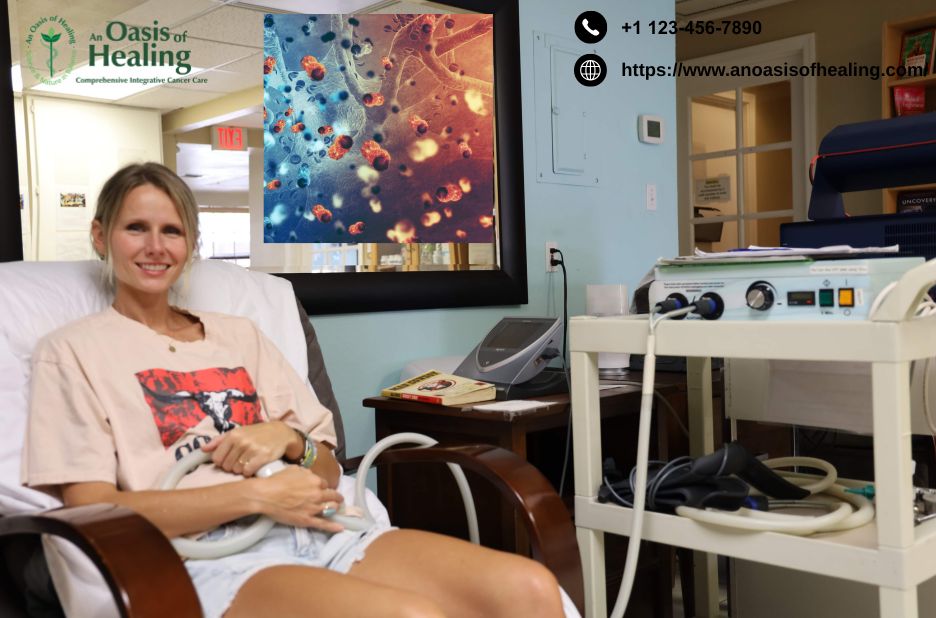
Overview of local options
Navigating cancer care can feel overwhelming, but many patients find clarity by examining a network of facilities that prioritise multidisciplinary treatment plans. In Phoenix, clinics and medical centres work alongside medical oncologists, radiation specialists, and supportive care teams to tailor therapies to individual needs. Access to cutting edge imaging, clinical trials, Cancer Treatment Centers in Phoenix and coordinated care pathways helps patients stay informed about potential options while maintaining daily routines and family connections. The goal is a personalised approach that respects clinical evidence and a patient’s personal values, ensuring clear communication at every stage of the journey.
Integrated support services
Beyond active treatment, a comprehensive cancer programme often includes nutrition guidance, mental health support, pain management, and social work services. These elements contribute to a holistic experience, addressing physical symptoms and emotional wellbeing. Care teams collaborate with primary physicians to minimise An Oasis of Healing disruption to work, education, and home life, enabling patients to participate in decision making. By offering flexible scheduling, transportation assistance, and convenient access to care, centres aim to reduce stress during a challenging period.
Technology driven diagnostics
Advanced diagnostic tools empower clinicians to characterise cancers with precision, informing customised therapy plans. High-resolution imaging, biomarker testing, and genomic profiling can identify the most effective treatment combinations while sparing unnecessary interventions. In Phoenix, specialists emphasise a thoughtful balance between state‑of‑the‑art technology and compassionate bedside care. Patients benefit from accurate staging and monitors that track progress over time through measurable milestones.
Clinical trial opportunities
Participation in clinical trials offers access to emerging therapies and innovative modalities that may enhance outcomes. Centres in the area often collaborate with research networks to provide eligible patients with trial options alongside standard treatments. Understanding eligibility criteria and potential risks is essential, and clinicians guide patients through informed consent and ongoing monitoring. For many, trials represent hope anchored in rigorous scientific inquiry and patient safety.
Choosing the right team
Finding a centre that aligns with personal preferences, cultural values, and practical needs is crucial. Prospective patients should consider factors such as proximity, language support, care coordination, and the philosophy of the medical staff. Meeting with oncologists, nurses, and support coordinators can illuminate communication styles and the level of shared decision making. It helps to ask about multidisciplinary tumour boards, survivorship planning, and how family input will be integrated into the care plan.
Conclusion
Care decisions after a cancer diagnosis are deeply personal and require trusted guidance. By seeking out coordinated programmes that combine evidence based medicine with accessible support services, patients can move forward with confidence. Visit An Oasis of Healing for more information about resources and compassionate care in the region.
6 Comments
Pingback: 91 Beautiful Legs
Pingback: https://r7casino.org.kz
Pingback: UFABET656 มีบาคาร่าแบบไหนบ้าง
Pingback: Angthong National Marine Park
Pingback: In-play odds
Pingback: รับทำ SEO