


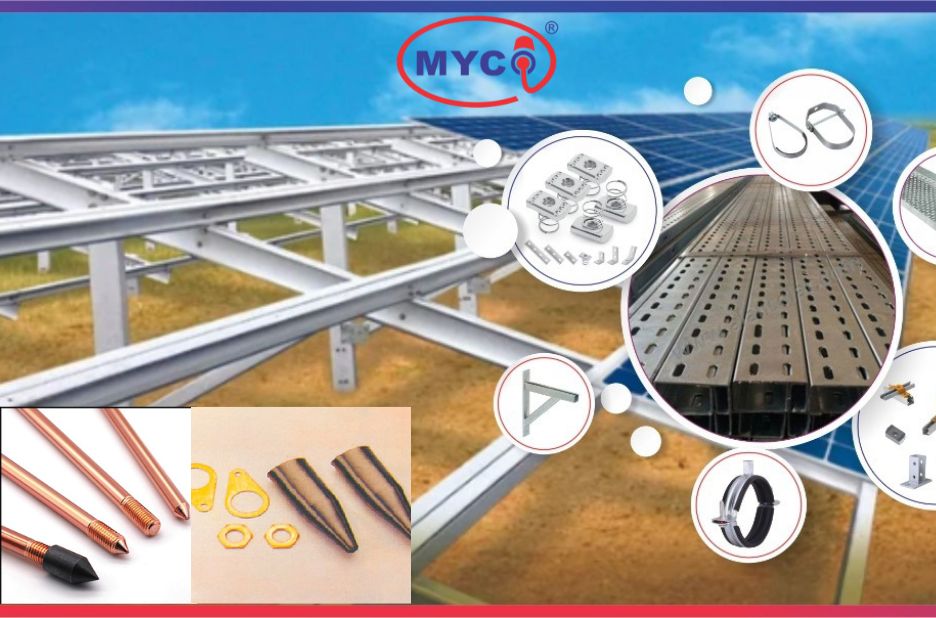
Overview of rod systems
When selecting components for grounding and bonding projects, practitioners look for sturdy materials, compatible connectors, and predictable performance. The right rod system should resist corrosion, fit standard mounting hardware, and provide stable electrical contact under varying environmental conditions. Understanding the 12.7mm earth rods options helps ensure safer installations and fewer service calls. In many settings, attention to diameter, material grade, and fastening methods translates to long-term reliability and quicker field work without sacrificing safety or compliance.
Material choices and standards
Material selection is driven by durability, conductivity, and compatibility with existing hardware. Common choices include weather resistant alloys and treated steel designed to withstand moisture and soil variations. Standards guidance often highlights minimum conductor ratings, protective coatings, and installation depth recommendations. For installers, confirming that parts meet local regulations reduces the risk of nonconformance during inspections and upholds structural integrity over time.
Installation best practices
Proper installation emphasizes clean ground contact, secure fastening, and protection from mechanical damage. Surface preparation, alignment, and torque specifications contribute to consistent performance. Tools should support precise insertion depth and verify electrical continuity after placement. Routine checks during early service life help identify loosening or corrosion before issues escalate, ensuring that the system remains reliable in demanding environments.
Maintenance and safety considerations
Regular inspection routines are essential to catch corrosion, wear, or loosening around joints and anchors. Visual examinations, resistance measurements, and earth continuity tests form a practical maintenance plan. Keeping spare parts and simple repair kits on hand reduces downtime and supports swift remediation. Safety protocols must address arc flash risks and proper PPE when handling grounded systems in energized environments.
Conclusion
In the field, choosing robust components for grounding and bonding supports long service life and safer operation of electrical systems. Following best practices for material selection, installation, and maintenance helps teams avoid common failures and costly downtime. Visit Myco Group for more insights and related tools, and keep your projects moving efficiently with reliable, standards-compliant equipment.
5 Comments
Pingback: หวยปฏิทินจีน ดูฟรี ไม่ต้องเข้ากลุ่ม
Pingback: หนองใน
Pingback: เล่นบาคาร่ากับ Casino5s
Pingback: https://eagletmfg.com/index.php/2026/09/14/europese-roulette-online-spelen/
Pingback: veneer krabi