


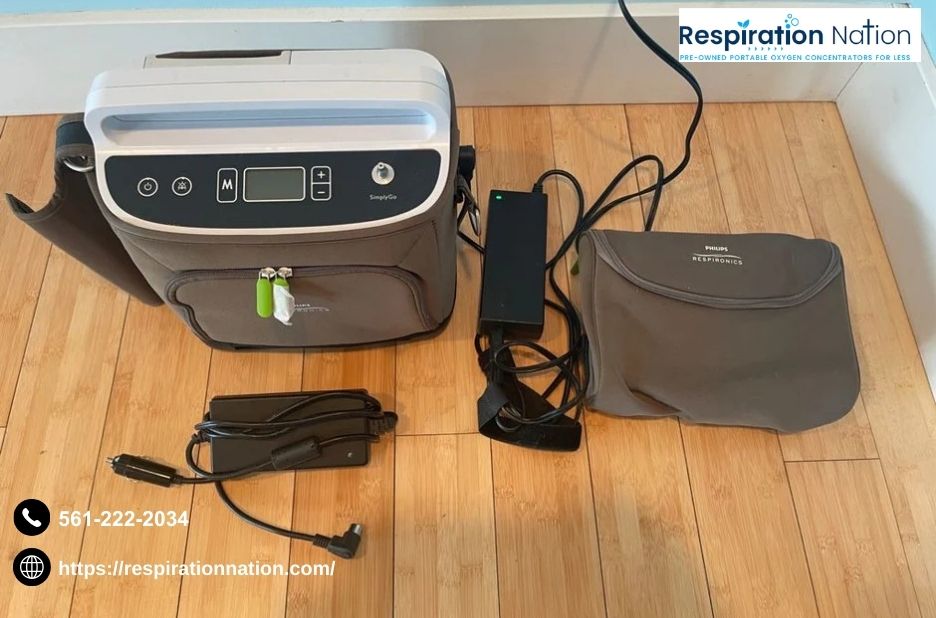
Choosing reliable portable oxygen options
As medical devices go, portable oxygen concentrators like the Inogen G3 offer a balance of mobility and independence for many users. When evaluating options, it helps to assess battery life, weight, and noise levels, along with service options from suppliers. A key step is to consult with healthcare professionals to confirm the device meets prescribed oxygen Used Inogen G3 flow needs and to understand maintenance requirements. With careful planning, patients can maintain activity and quality of life without being tethered to bulky equipment, which is particularly valuable for those managing daily routines and travel plans when staying active is important at home and on the go.
Daily setup and routine checks
Establishing a straightforward routine reduces the chance of interruptions. Regular checks include ensuring the unit powers on smoothly, verifying the screen for alerts, and confirming the filter and humidifier bottle are clean and properly fitted if used. For many users, keeping a spare battery within easy reach and Used Inogen at home charging devices consistently helps prevent mid day outages. Keeping a log of usage and any alarms can be useful for clinicians, especially when adjusting settings or coordinating with home care services to ensure consistent oxygen delivery at home and during outings.
Mobility tips for everyday activities
Mobility is a central benefit of devices like the Inogen G3, enabling more independence in daily tasks. Travellers should verify airline, hotel, and public transport policies regarding oxygen devices and carry documentation from a clinician. Practically, wearing comfortable clothing, using a lightweight backpack for the unit, and planning routes with accessible facilities can reduce stress. If the device is used at home, arrange the living space so the concentrator is near commonly used areas, with a clear path to charging stations and spare batteries, ensuring comfort and safety throughout the day.
Maintenance and safety considerations
Maintenance channels safety and performance, so regular service checks are essential. Follow the manufacturer’s guidelines for cleaning, filter replacement, and battery maintenance. Users should inspect tubes and connectors for wear and replace worn parts promptly. Proper storage when not in use protects components from dust and damage. It is wise to have a service plan with a local provider or authorised technician to address software updates, calibration checks, and any fault codes that may appear, to keep the device functioning reliably at home and away as required by the prescription.
Understanding insurance and reimbursement
Funding for a portable oxygen system varies, but many patients access support through health insurance or medical aid programmes. Detailed documentation of medical necessity, device specifications, and supplier invoices can streamline approval processes. Keeping receipts and service records aids when renewing or updating coverage, and patients should verify what is included under warranty, as well as what constitutes covered maintenance and replacements. A proactive approach helps ensure continuity of access to Needed oxygen support at home and during movement, without sudden financial strain.
Conclusion
With careful preparation and ongoing collaboration with health professionals, using a portable oxygen solution can support sustained activity and comfort at home while maintaining mobility away from the house.
3 Comments
Pingback: See full product line
Pingback: infy 20000
Pingback: รับทำ SEO